
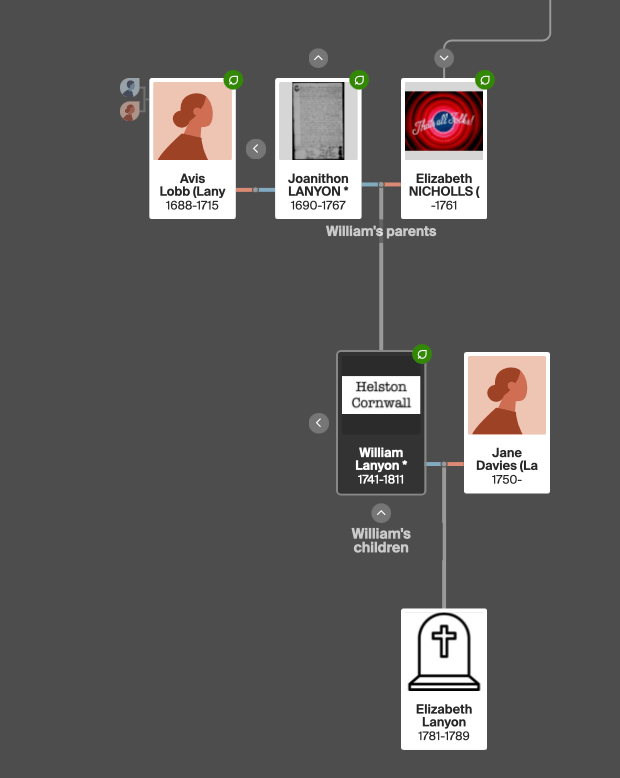
Charles Francis Lanyon was the son of Joanithon Lanyon and Elizabeth Nichol, he was baptised in Helston on 24 Sep 1734. He followed his father into the family business and was a cordwainer. In Sep 1756 he married Alice James, the daughter of Thomas James and Jane Gundry.
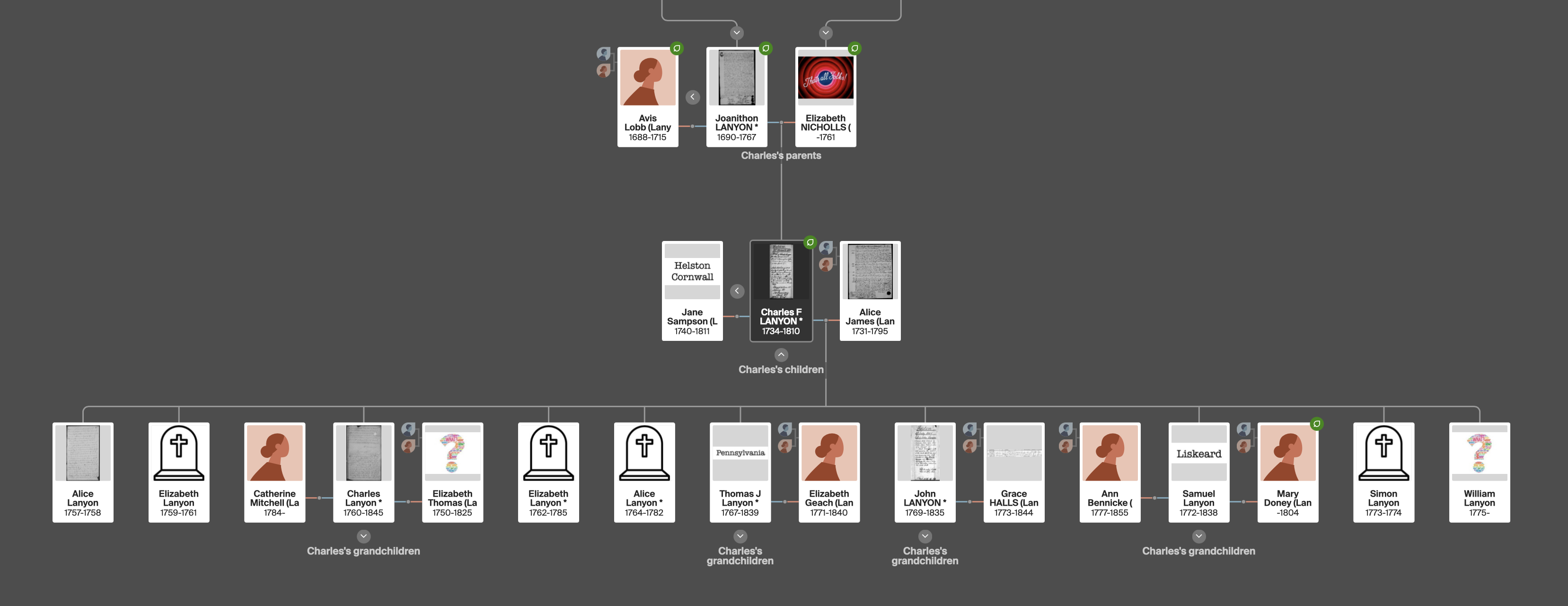
Charles and Alice had ten children of which five survived to adulthood.
- Alice 1757-1758 died in infancy
- Elizabeth 1759-1761 died in infancy
- Charles 1760-1845 married Elizabeth Thomas – four children
- Elizabeth 1761-1785 died age 23 spinster
- Alice 1764-1782 died age 18 spinster
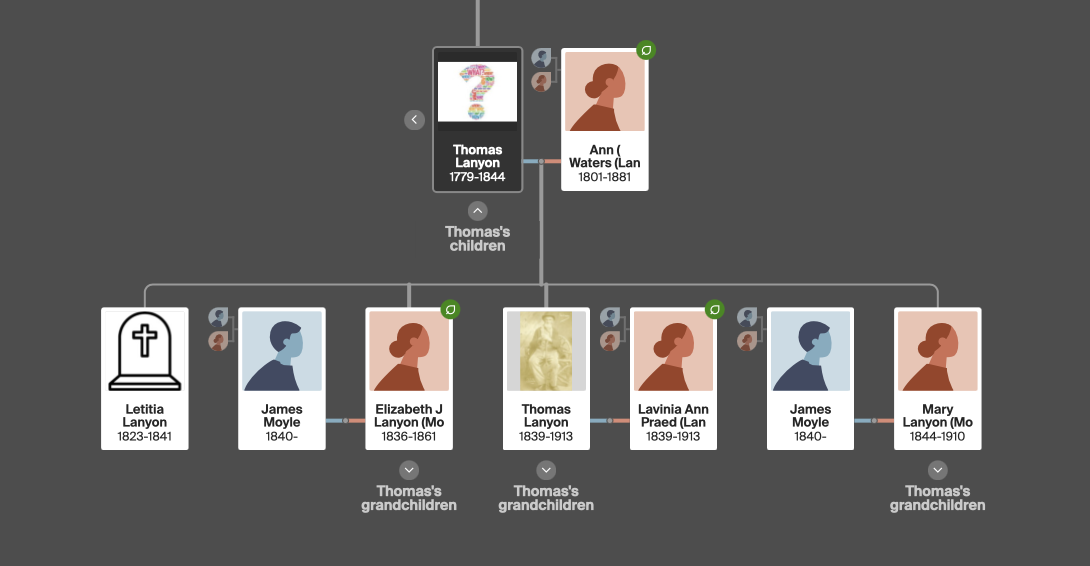
- Thomas James 1767-1839 married Elizabeth Geach
- John 1769-1835 married Grace Halls
- Samuel 1772-1838 married Mary Doney and Ann Bennicke
- Simon 1773-1774 died in infancy
- William 1775- no trace
Alice died in 1795 and Charles remarried on 17 Sep 1797 to Jane Sampson a 57 year old spinster. When Charles died in 1810 he left his estate to his second wife and although there was provision made for his sons this caused a great deal of ill feeling in the family.
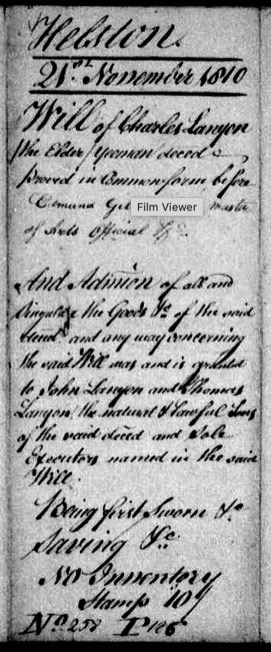
Source: CRO AP/L/2089
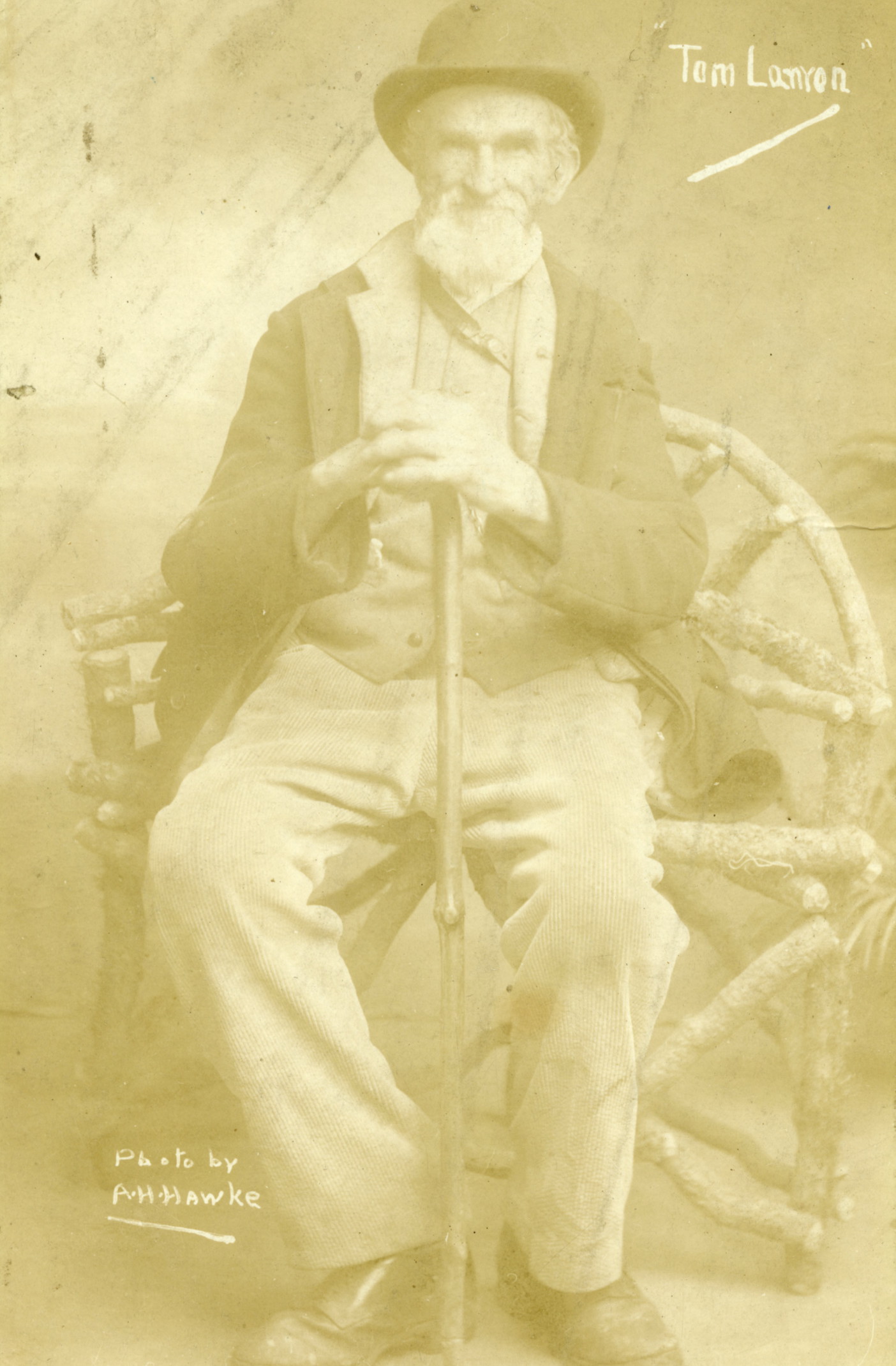
The five surviving sons were Charles, Thomas James, John and Samuel and William. Charles was a cordwainer in Helston, John a currier and ironmonger in Helston, Samuel was a currier in Liskeard and Thomas James Lanyon was a currier who emigrated to America in 1831. Apparently William moved to the ‘north’ and we lose track of him.
It was Thomas’ family who felt he had been cheated of his birthright.
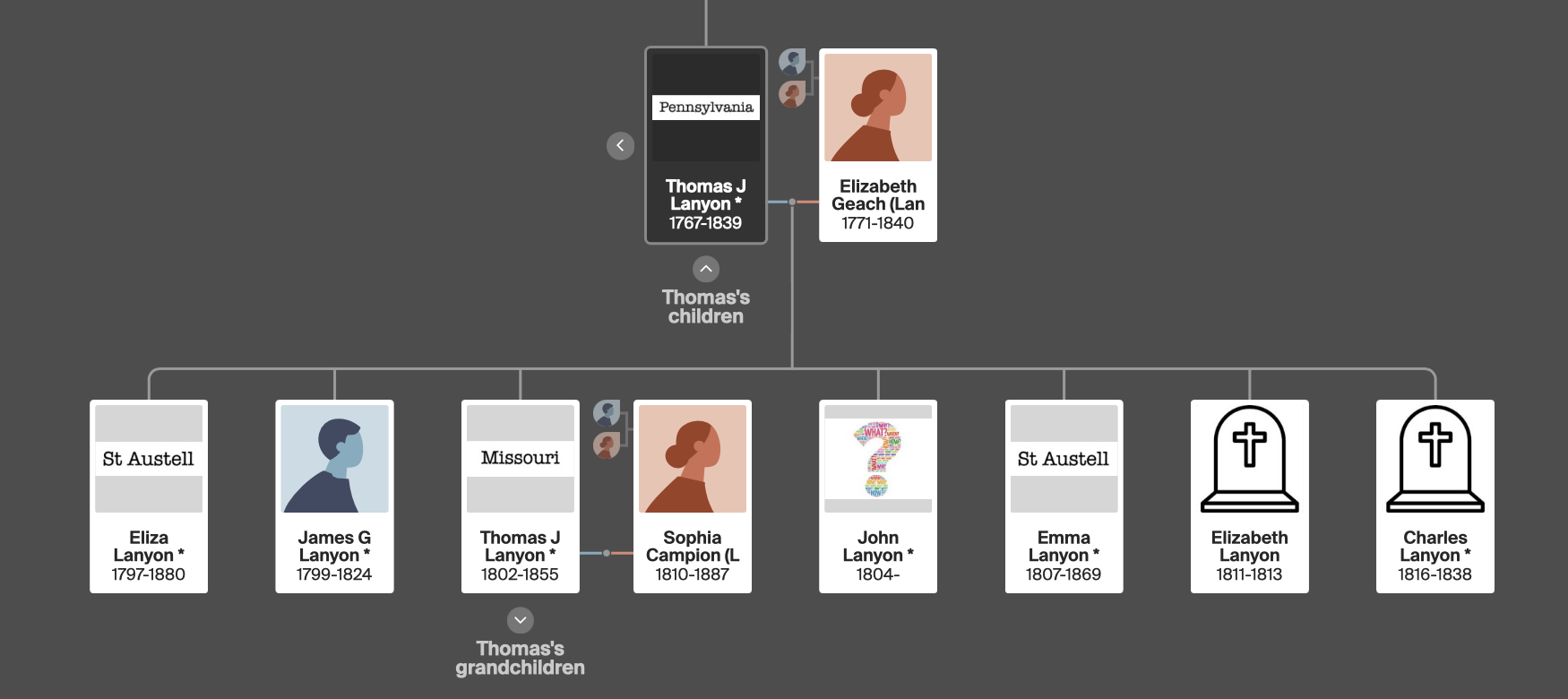
His daughter Eliza wrote a series of letters to her niece Annie Butts detailing some of the family history from their point of view: “Father was a most honest, just man in all his affairs but he was treated badly with some. If he had been treated differently he never would have emigrated.”
In the letters she refers to Charles Francis Lanyon as the Old Shoemaker of Truro but this was incorrect as he worked in Helston. A number of facts contained in the letters were incorrect but they still make interesting reading and fill in some gaps.
In 1866 Eliza writes “We have been estranged since I can recollect, in consequence of money and property matters….your great grandfather married a second wife a deal younger than himself. He made a will and gave all his property to his wife which he could not lawfully do. After his death his sons made a stir of it.”
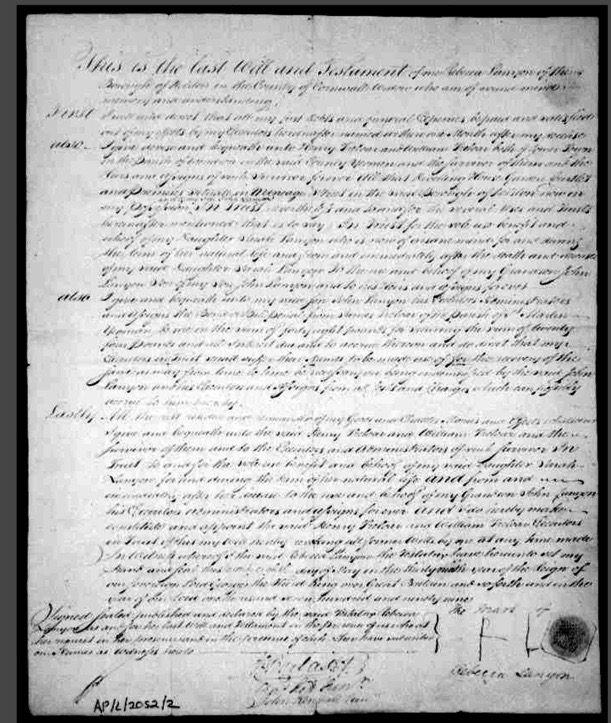
We know that Jane, Charles’ second wife, was a mere six years younger than him and we can read his will and see that the sons each inherited money and property with Jane having life time enjoyment. In fact she survived Charles by a only a year.
Eliza’s letter “They consented to let her have the property for a certain sum of money and signed off all the title to it.”
The letters are a great source of local history too.
“Do you ever see any person from Cornwall? There are a great many of late, emigrated to America but chiefly the mining population owing to the tin and copper brought from California. The Cornish Mines are many stopped working.” (1866)
Her next letter was some eleven years later! (1877)
“I am happy to tell you there is improvement in trade in consequence of the mines in Cornwall being put to work as tin has improved in price, also copper….fish has also been remunerative. Tin, fish and copper is the motto for Cornwall. We had a very bad summer for fruit and vegetables….we had very stormy weather last week. It was very bad in Scotland. So bad that the train blew off the bridge that crossed the Tay. There is about 100 dead; but not one left to tell the tale.”
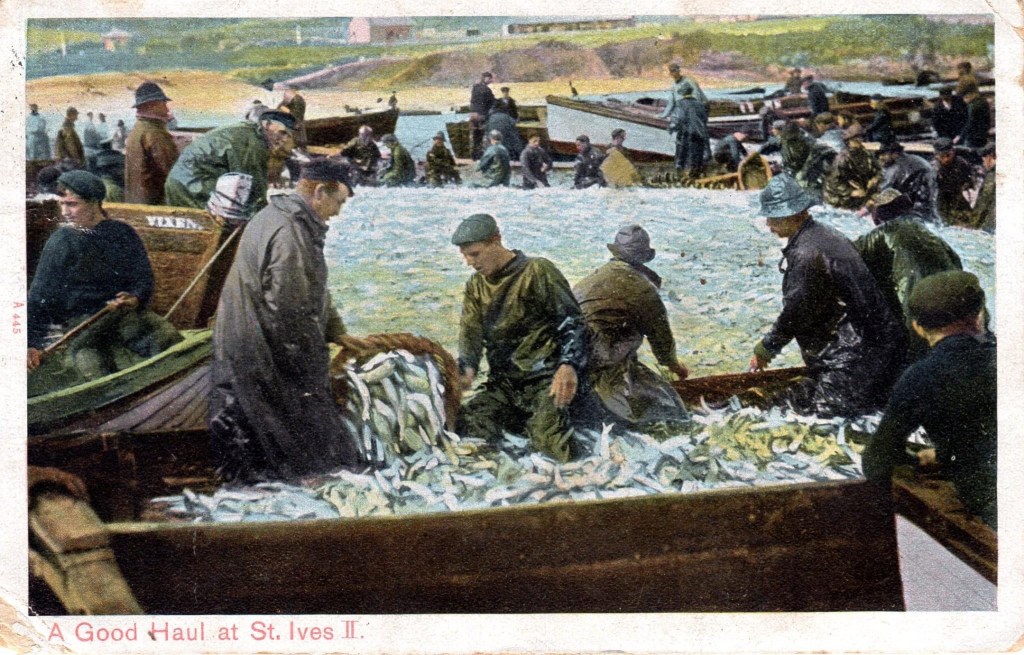
in Jan 1879 Eliza writes: “Bank failures which caused new distress even in our town (St Austell). Many persons almost ruined….it has been a most melancholy Christmas indeed…..the mines in Cornwall many of them entirely stopped which has caused several hundreds of men to be unemployed.”
Eliza died in May 1880 aged 82, fortunately her letters survived. A long and protracted probate ensued and is worthy of its own post.




 The Lanyons