
George Lanyon, the second son of John Charles Lanyon and Mary Mead, was nicknamed “The Shepherd”. This post is my attempt to find out why.
George was born 3 Oct 1833 at Redruth in Cornwall. His father owned an ironmongers on Fore Street and in his later years was a successful merchant tanner and ironmonger.
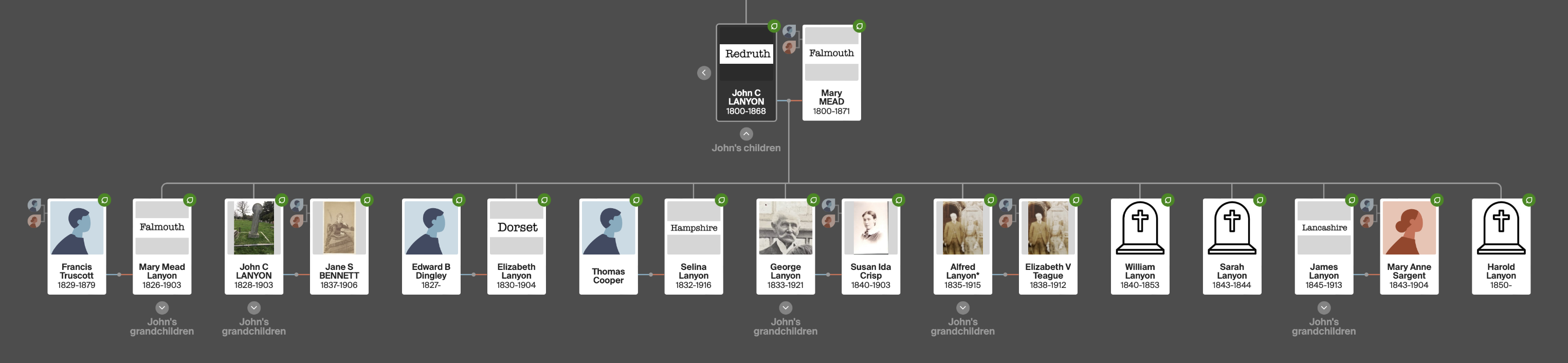
John Charles Lanyon died in 1868 and left a detailed will, there was no mention of his second son George and that was the first indication that all was not well.
JC Lanyon’s eldest son, also called John Charles, his third son Alfred and fourth surviving son Thomas all receive generous bequests and businesses. (The estate was valued at £35,000 in 1868.) But there was nothing for George, why?
George Lanyon appeared on the 1851 census as a seventeen year old ‘assistant’, presumably to his father. Sometime after 1851 and before 1861 he emigrated to Tasmania. His elder brother was already trading in Adelaide in Australia (he was a partner in Adelaide’s department store ‘Harris Scarfe’) perhaps George set out to emulate him?
Initially I thought George may have acquired his nickname ‘The Shepherd’ through a business interest in sheep farming in Tasmania however the story is a little more interesting than that!
On 3 July 1861 George married Susan Ida Crisp at Hobart in Tasmania.
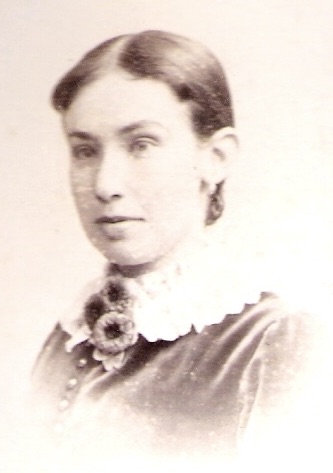
By 1862 they had returned to Cornwall and their first child Catherine Rosina Lanyon was born at Falmouth.
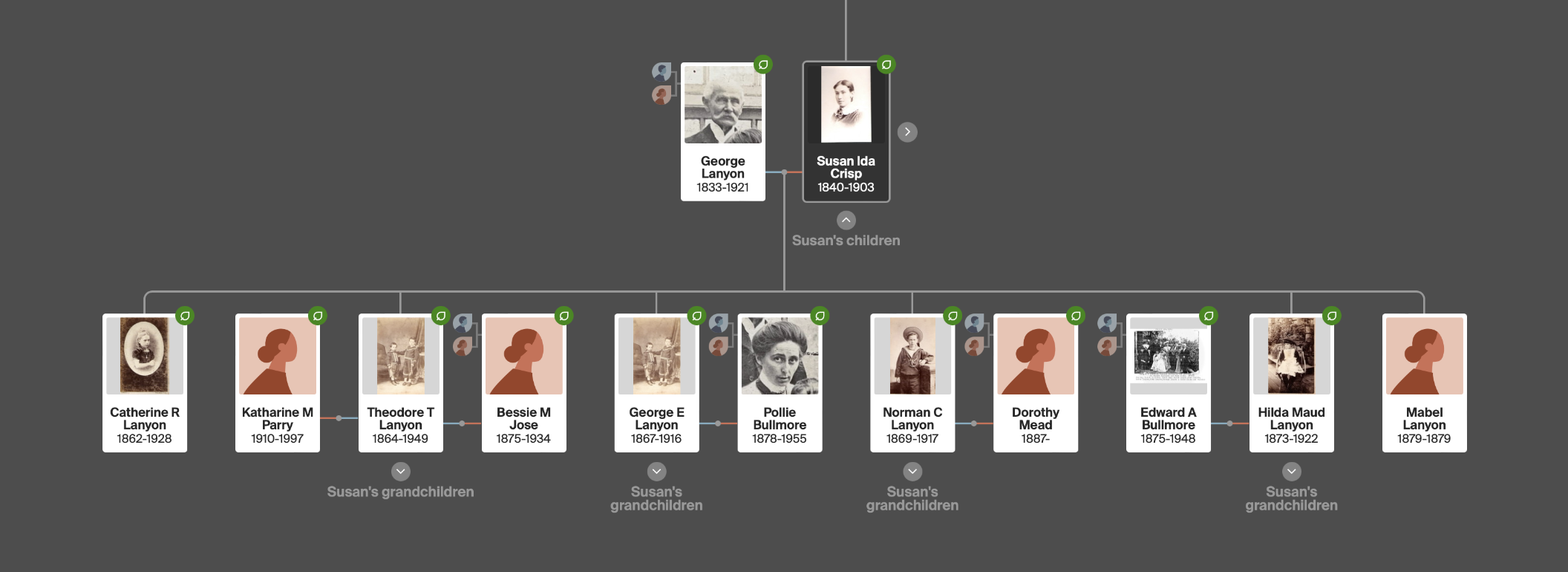
Their children:
- Catherine Rosina 1862
- Theodore Tasman 1864
- George Edward 1867
- Norman Crisp 1869
- Hilda Maud 1873
- Mabel 1879 who died in infancy
In 1871 the census describes George as a tanner employing 10 men, by all appearances a successful businessman like his brothers.
A closer look at Susan Ida Crisp revealed why he may have been given his nickname and also why he was left nothing in his father’s will.
Susan was the daughter of Samuel Crisp and Elizabeth Sams. She was born in Hobart in 1840. Samuel’s obituary describes him as one of the original colonists.
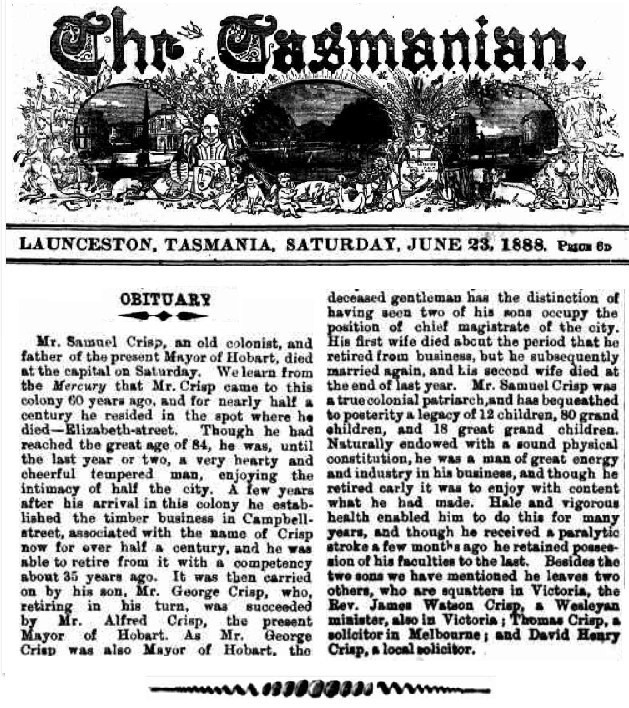
What they failed to mention is how he arrived in Tasmania….transported for life for sheep stealing!
Samuel Crisp was born in Sudbury in Suffolk in 1805. In 1820 he was sentenced to a month in prison for larceny, stealing 18 yards of ribbon from the shop of John Holman. Shortly after this he married Elizabeth Sams and they had two young sons, Samuel born 1823 and George born 1824. In September 1825 Samuel was caught sheep stealing. The Bury and Norwich Post for December 1825 has this report:
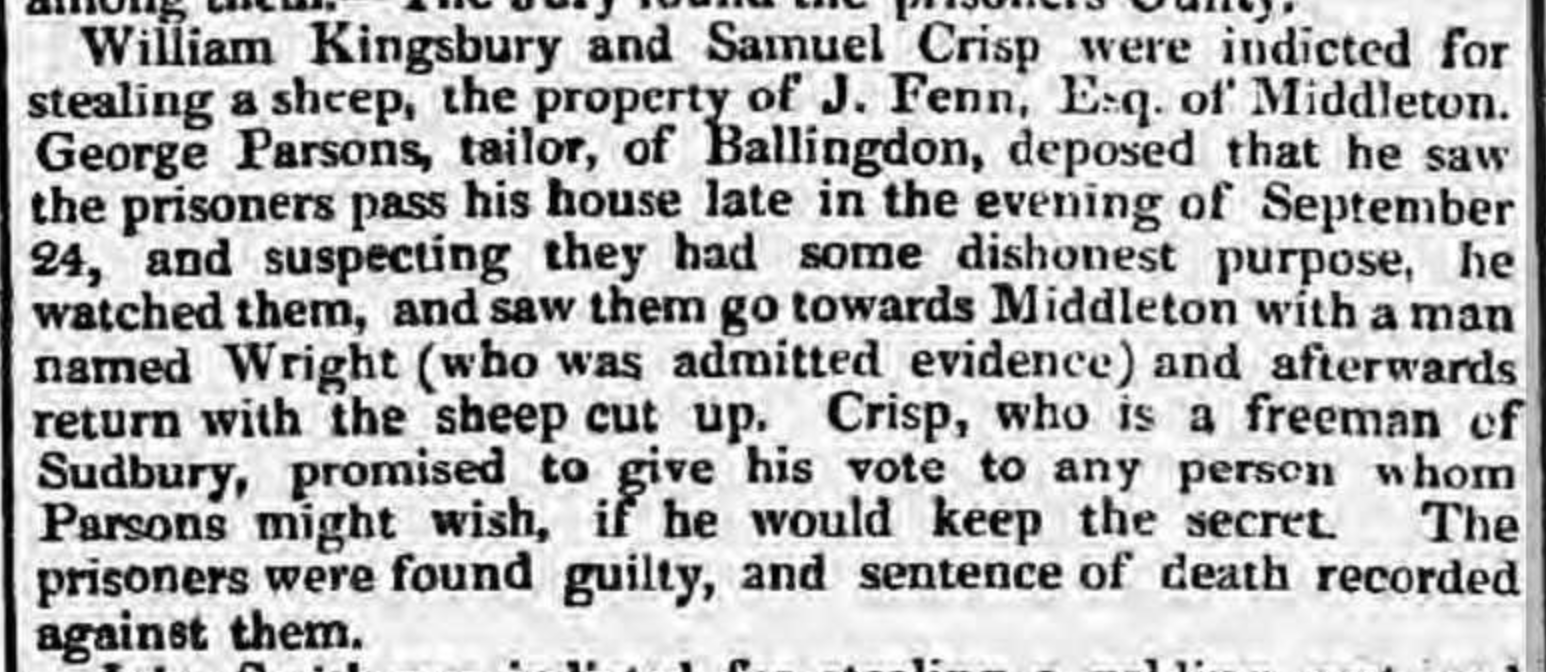
He was found guilty. The sentence of death was commuted to transportation for life and Samuel aged just 20 was transported to Tasmania on the ship “Earl St Vincent” which set sail on 20 Apr 1826.
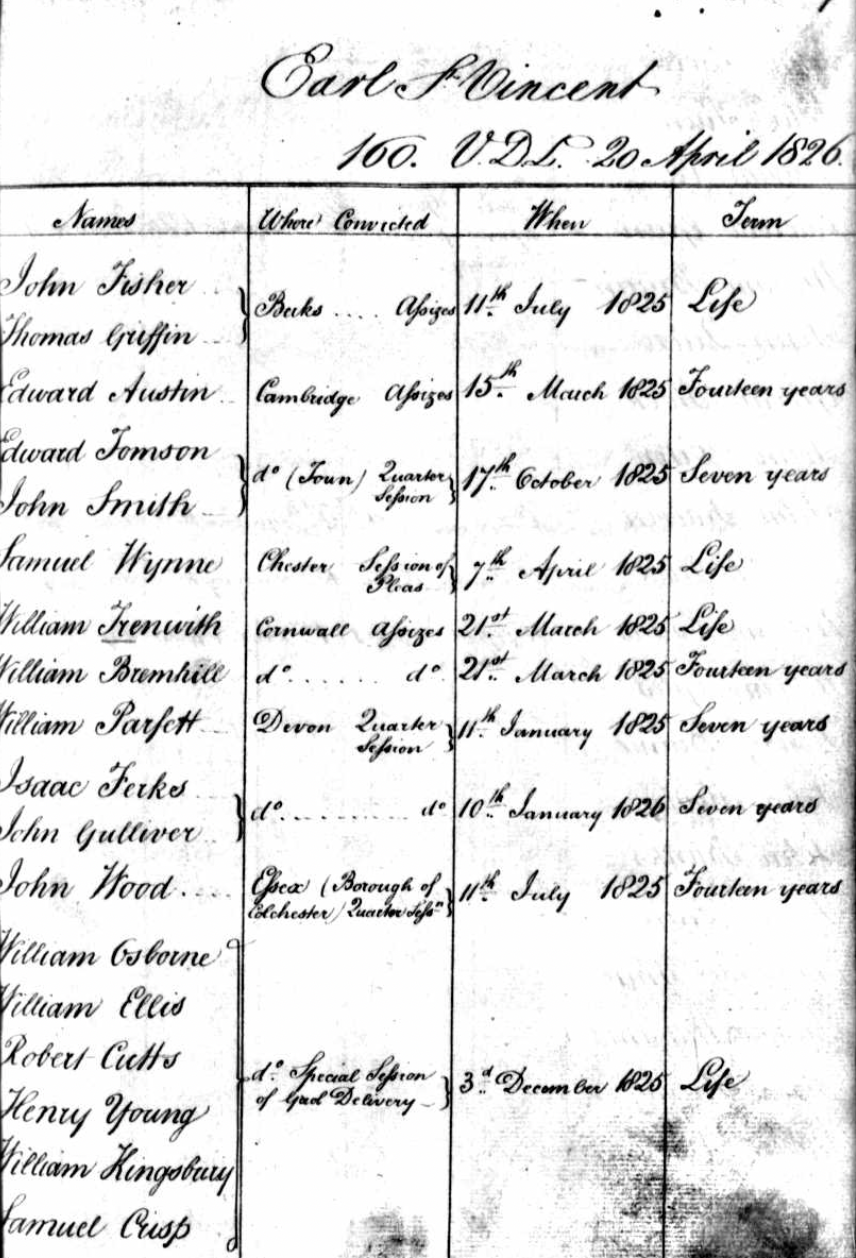
The Royal Navy kept detailed records and the ship’s surgeon records the following:-
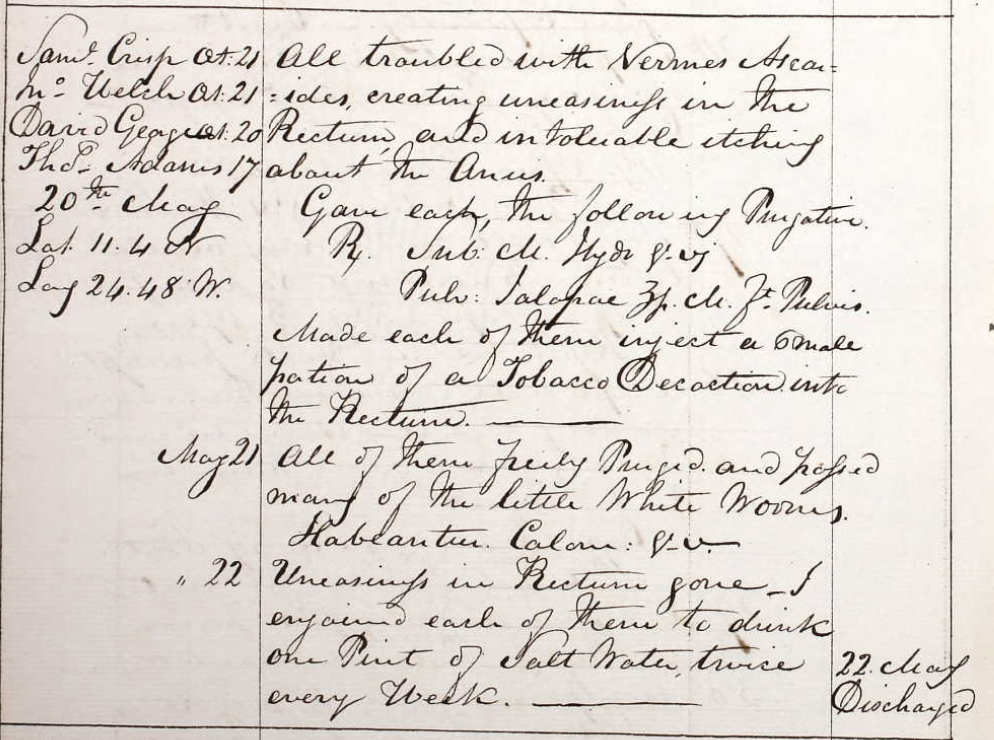
So 200 years later we know Samuel and three others were suffering with worms which caused intolerable itching! The treatment sounds even worse; they were given a purgative and then had to inject a decoction of tobacco into their rectums! To prevent the worms returning they were told to drink a pint of salt water twice every week.
The journey to Tasmania took 110 days and the ship contained 180 prisoners.
Two years later Samuel’s wife and sons followed him to Tasmania and they produced another 5 children whilst he was still a prisoner.
By 1840 “The Hobart Town Courier and Van Diemen’s Land Gazette” reported that he had been given a free pardon.
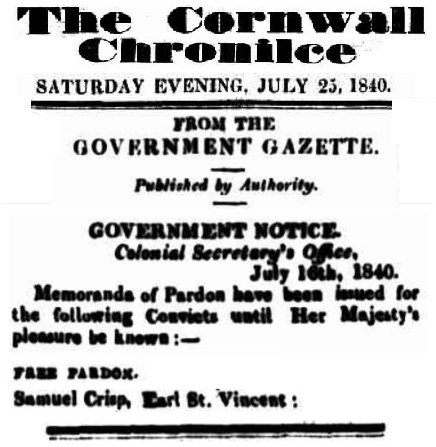
Now a free man Samuel set about creating a successful timber business, Crisp & Gunn.
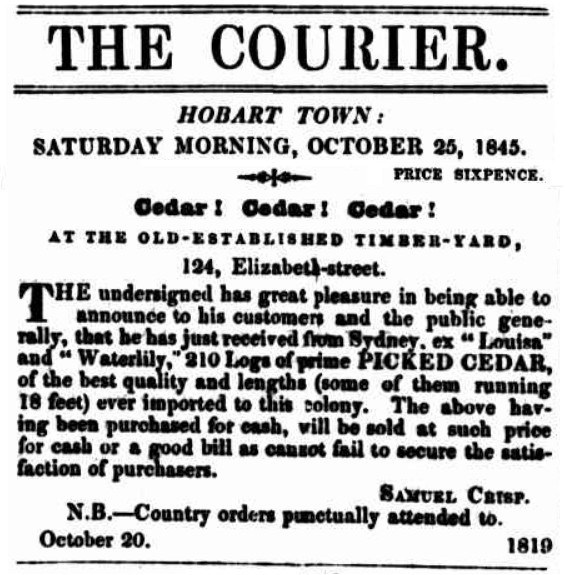
Samuel and Elizabeth had twelve children. In 1853 Elizabeth died and Samuel remarried to an Elizabeth Farquarson. By the time of his death, aged 84, he had 80 grand children and 18 great grand children. He had become a respectable member of Hobart society. His children became solicitors and his son James was a Wesleyan minister. His grandsons served as Mayor of Hobart.
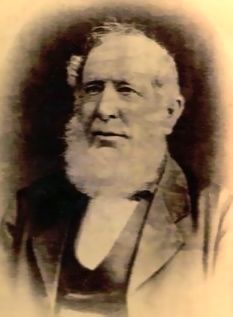
So what became of his grandchildren in Cornwall?
Catherine Rosina never married. She lived with her father in Falmouth and died there in 1928.
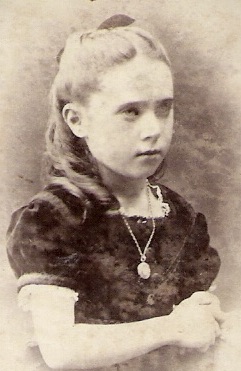
Theodore Tasman 1867-1949. Theodore was a paymaster Admiral in the Royal Navy. There were four children from his first marriage.
George Edward 1869-1916. George was a doctor. There were six children from his marriage to Pollie Bullmore.
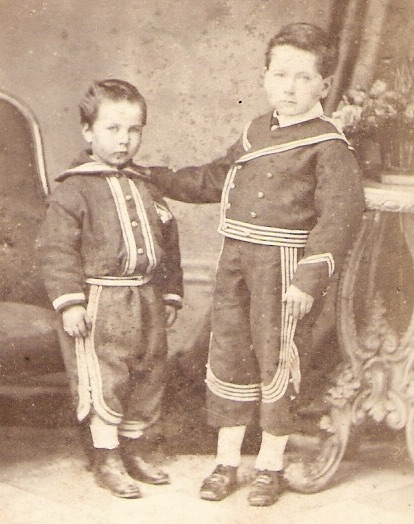
Norman Crisp 1869-1917. Norman married his cousin Dorothy Mead and they had three sons. He was shipwrecked in the English channel by a torpedo and drowned.
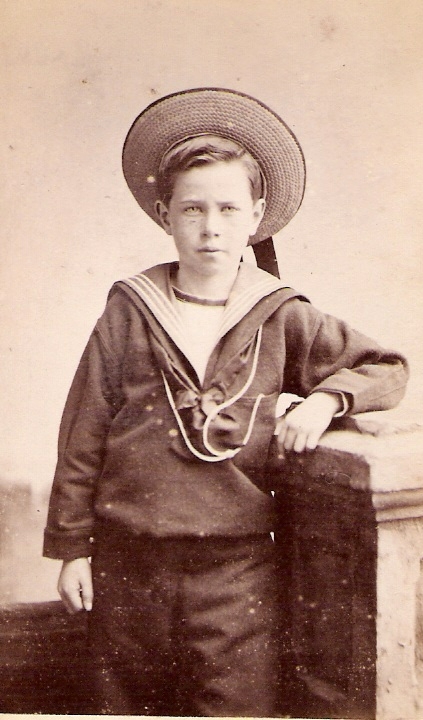
Hilda Maud 1873-1922. Hilda married Edward Augustus Bullmore (Pollie Bullmore’s brother). He too was a doctor. They had two sons.

George Lanyon and his family lived at Tasman Villa in Falmouth (circled) just behind what is now the Greenbank Hotel.

Susan Ida died in 1903 and George in 1921, at the grand old age of 88. He outlived all his siblings and three of his six children.
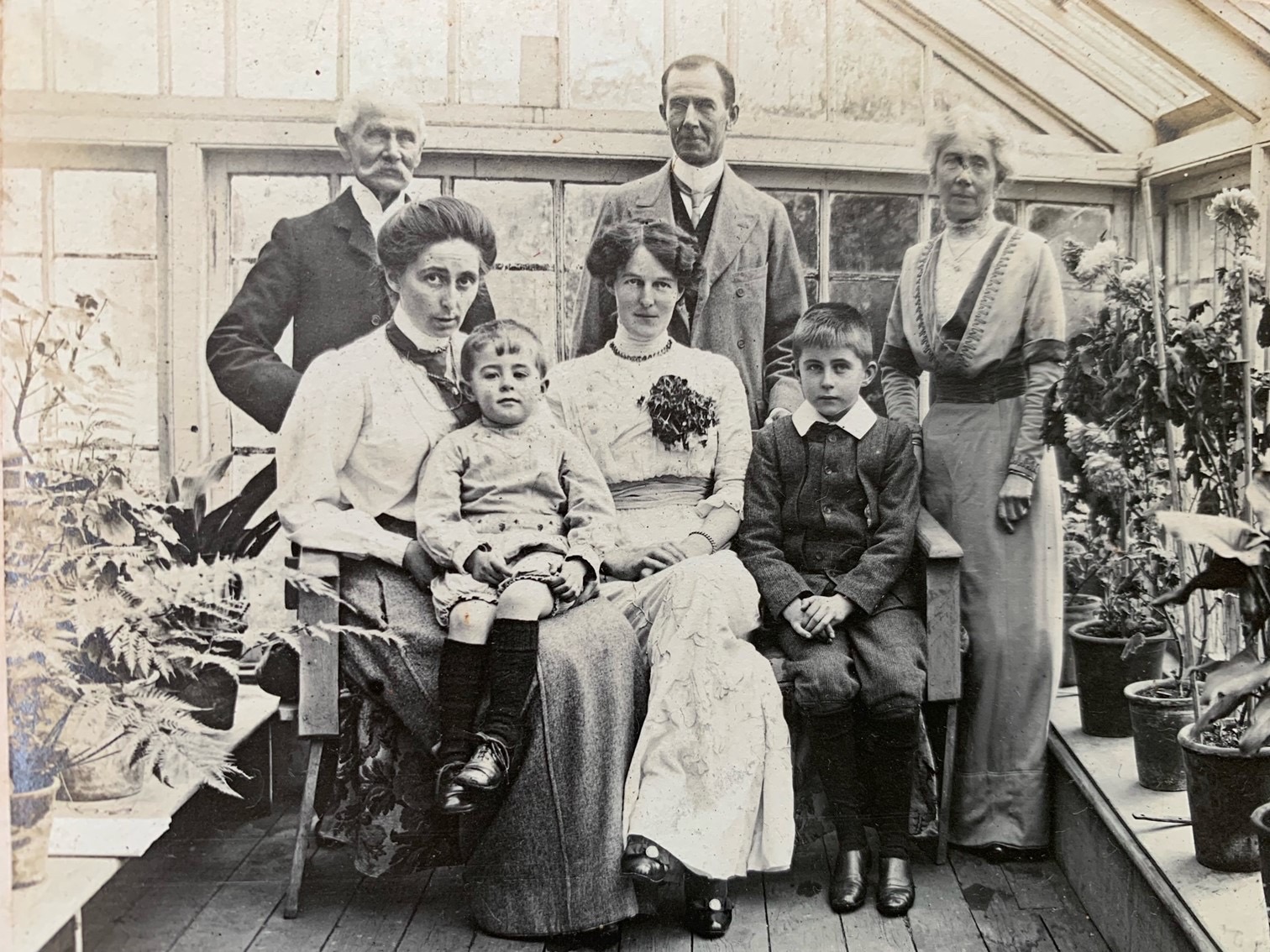
Edward Augustus Bullmore, who was married to Hilda, collaborated with Jane Veale Mitchell to research the Lanyon family tree. He left his papers to William Smith Lamparter so that he could continue the research. In turn those papers made their way to me and ultimately led to the creation of this website.
So now we know why George Lanyon was nicknamed “The Shepherd”. If you have a better theory please get in touch!
 The Lanyons