
There were many mines in Cornwall and sadly quite a few accidents. This post is about the accidents and incidents that affected the Lanyon family.
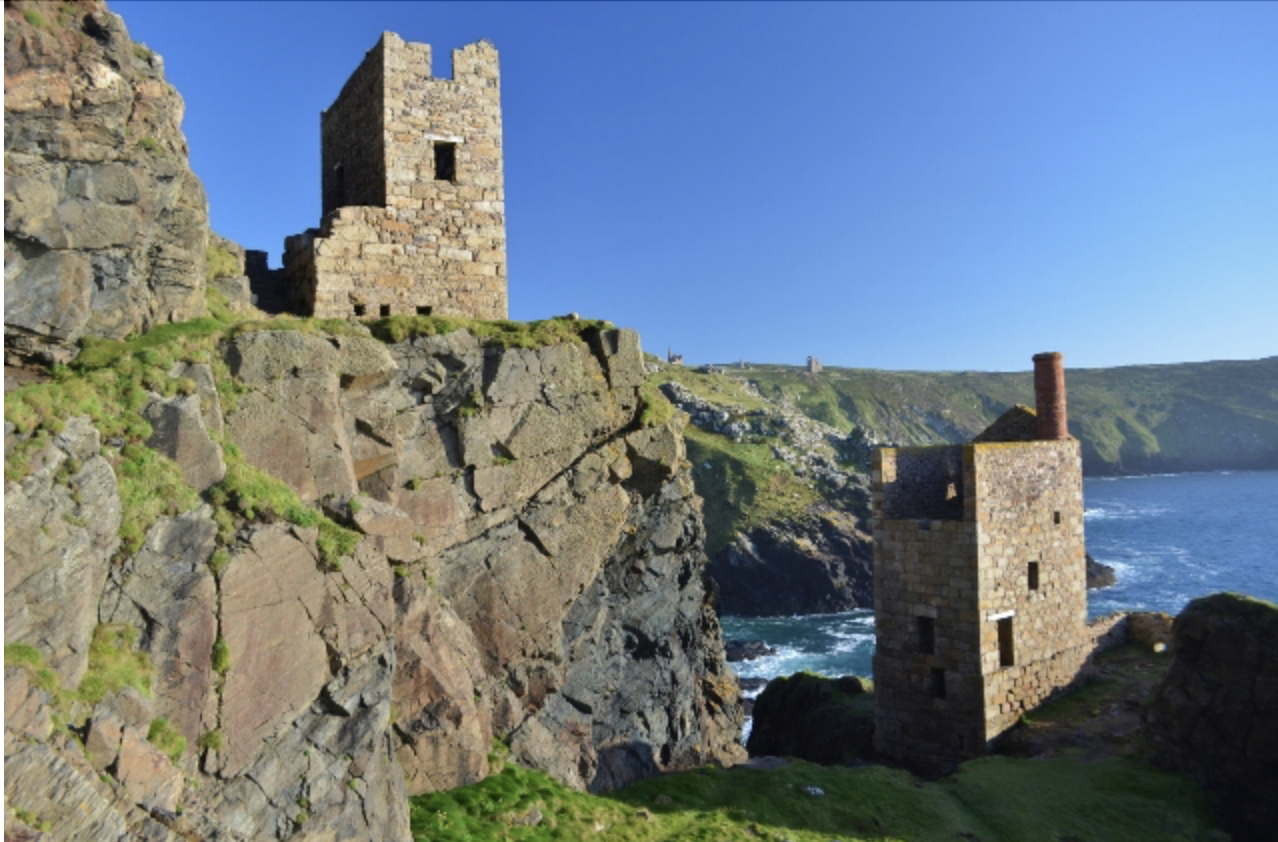
The Lanyons had connections to mining in Cornwall going back to the mid sixteenth century and possibly earlier. In 1556 John de Veer, Earl of Oxford, Viscount Bulbek and Chamberlain of England gave William Laniene and David Angove a licence to dig and search “…for the loode and veyne of tynne…” within de Veer’s manors and lordships in Cornwall for two years. (Source – CRO AP/1/852) We don’t know where they found tin but the original document has later been endorsed in pencil with the word ‘Gwinear’.
William Laniene’s son, Richard, married Margaret Treskillard in 1531. She is mentioned in Carew’s ‘The Survey of Cornwall’ as having a dream which told her where to find tin.
“Some have found Tynne-workes of great vallew, through meanes no lesse
strange, then extraordinarie, to wit, by dreames. As in Edward the
sixts time, a Gentlewoman, heire to one Tresculierd, and wife to
Lanine, dreamed, that a man of seemely personage told her, how in such
a Tenement of her Land, shee should find so great store of Tynne, as
would serve to inrich both her selfe and her posteritie. This shee
revealed to her husband: and hee, putting the same in triall, found a
worke, which in foure yeeres, was worth him welneere so many thousand
pounds.”
Richard Carew – Survey of Cornwall (1602)
John Lanyon of Sancreed, who died in 1664, was known as the Golden Lanyon as he made so much money from tin.
A document in the National Archives dating from 1605 is the first documented ‘incident’ with mining. Challynor v Buvargus concerns: assault; destruction of property and unlawful assembly.
Plaintiffs: John Challynor esq of Fulham.
Defendants: William Buvargus (Busvargus) of Buryan, Maderne Pendeene of Madron, Sandry Maderne, and others, tinners.
Subject: Assault on Ralph Lanyn, agent of plaintiff John Challynor, and seizure of tin belonging to four ‘doles’ of a tinwork called Wheal (Bennett) at St Tust (reetius St Just). Cornwall.
We don’t know where this Ralph fits on the tree but I think he is the same person who was buried at Sancreed on 29 Apr 1614.
Hugh Lanyon ‘tynner’
The first confirmed ‘tynner’ in the family is Hugh Lanyon 1648-1709. Hugh was born in Madron, the son of William Lanyon and Jane. He married Mary Tonkin and is described as a ‘merchant of Paul.’ His will survives and it is that document which describes him as a ‘tynner’.

Doubtless there were plenty of other Lanyons involved with mining in some way or another but with so few early records available it isn’t possible to identify them.
In the 19th century Coroner’s Inquests, newspaper reports and death certificates make the search much easier.
East Wheal Rose Mining Disaster
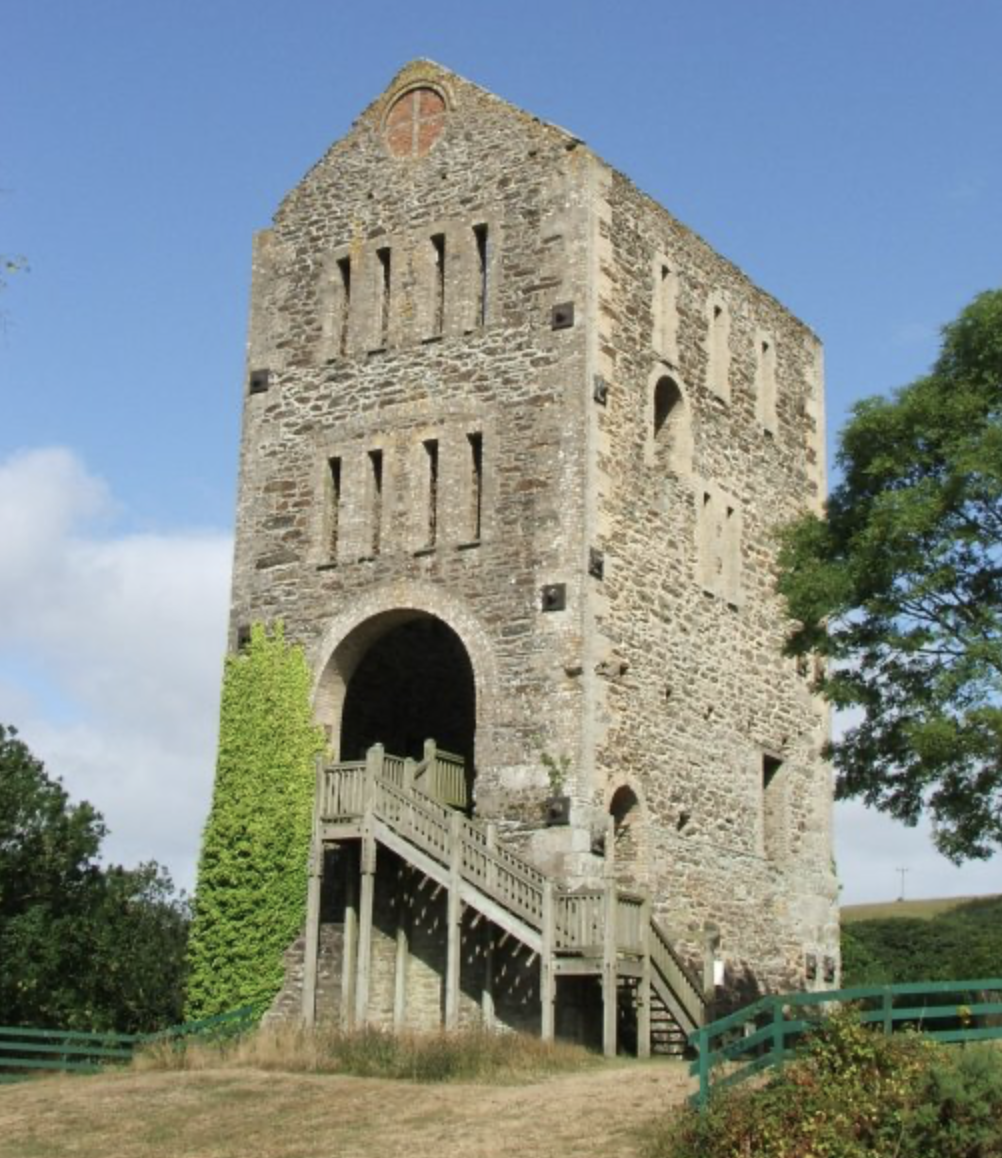
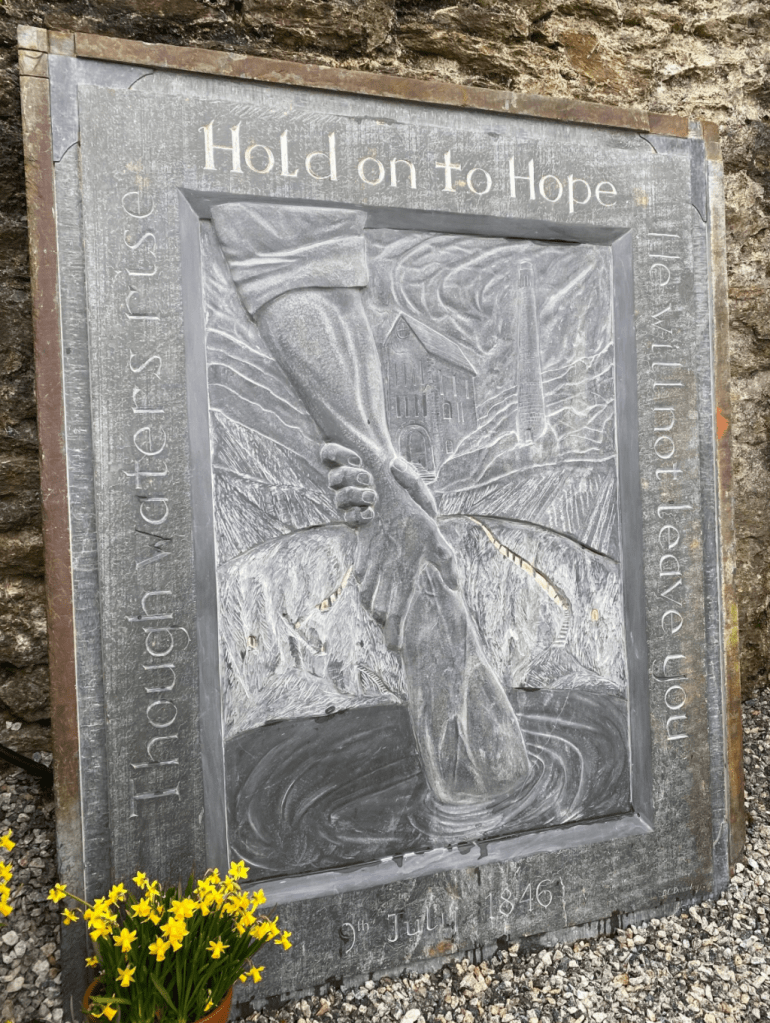
The biggest disaster to affect the family was the East Wheal Rose disaster of 1846. At that time the mine employed over 1000 men, women and children. A terrible thunderstorm sent torrential rain pouring into the valley, where the mine was situated, and into the mine itself. The men at the surface struggled to divert the water away from the mine entrance but the shafts quickly began to fill with water. There were great acts of heroism; a timber-man, Samuel Bastion, went down into the mine to lie across a manhole, diverting the flow of water and saving eighteen lives. Men went down to search for sons, only to lose their lives.
In all 39 men died in the mine including Josiah and Reuben Lanyon, brothers from St Allen.
Most mine accidents aren’t as big as the East Wheal Rose disaster. We only find out about them from Coroner’s inquests or newspaper reports.
10 Nov 1843 – Ralph Lanyon junior from St Just in Penwith aged 14 was working in the Wheal Bosean mine and accidentally fell into one of the shafts, a distance of approx. 10 fathoms and was instantly killed. The verdict was recorded in the Royal Cornwall Gazette “Accidental death.”
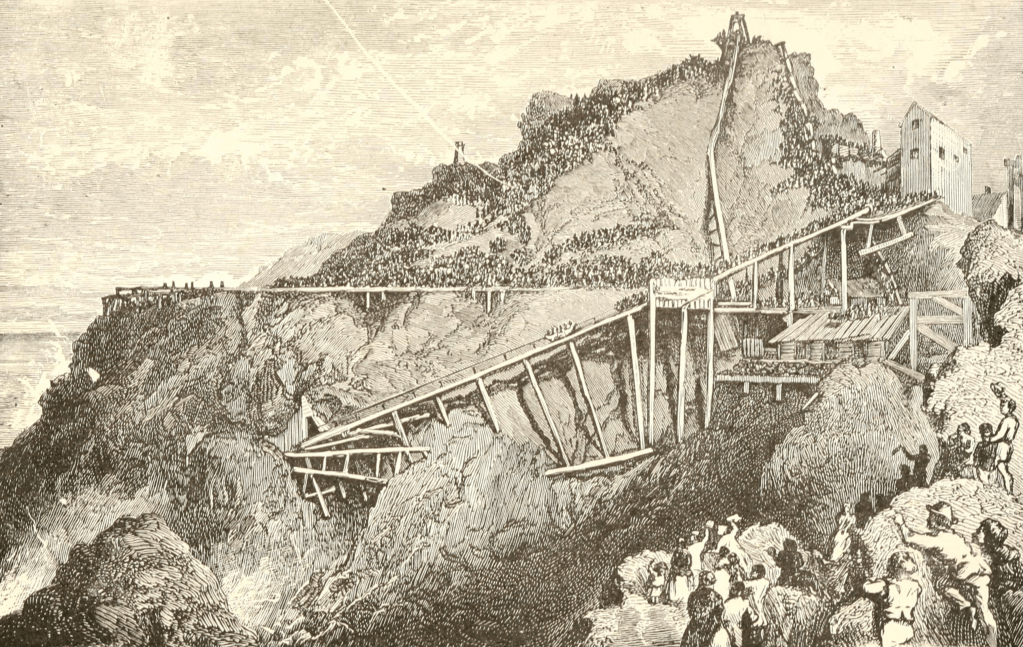
9 Oct 1838 – John Lanyon who was born in Gwennap, died in the Ellen Beryle Mine and was buried at St Day in Cornwall.
24 Mar 1865 – Simon Lanyon was born in St Allen and was killed at the Cargoll Mine, he was just 19 years old. “On Tuesday, an inquest was held at Zelah, before E. T. Carlyon, Esq., deputy coroner, on the body of Simon Lanyon, of the above place, who was accidentally crushed to death under the bob of the engine at Cargoll mine. A verdict of “Accidental death” was returned.” Royal Cornwall Gazette.
10 Nov 1855 – John Lanyon of St Just in Penwith was killed at Park Noweth Mine. “…in the parish of St. Just in Penwith, on the body of John Lanyon, aged 47 years. The deceased was a miner, and worked at Park Noweth Mine, in that parish, and was at the 80 fathom level, assisting in changing the boxes of the lift, when the engine being working, the rod came down, and the navel-pin thereof struck him on the head and caused such injury thereto that he died on the following day. It appeared to be the usual practice to change the boxes whilst the engine is at work, and that the same may be done without fear of accident where the party doing it is ordinarily careful. – Verdict “accidental death.” –The deceased was very much respected. He leaves a widow and five children to deplore their loss. The poor woman has been very unfortunate, having had her first husband drowned, her father killed, her son killed, and now her second husband also killed, and not long since a grand child was drowned in a well.” Royal Cornwall Gazette
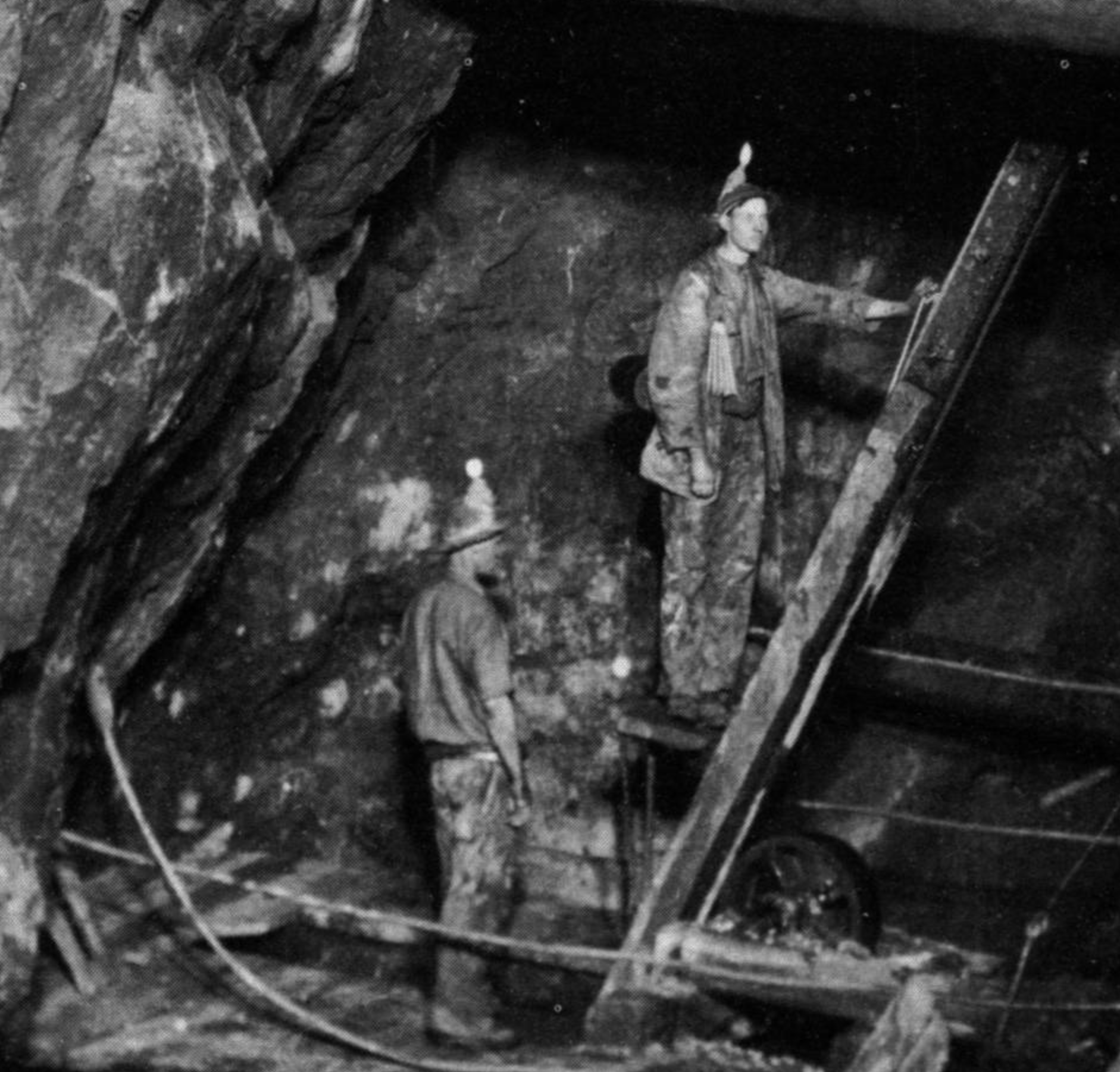
5 Jul 1912 – James Lanyon was a timber man at Wheal Carne mine in Pendeen, he was the grandson of John Lanyon (above). “He and another were “spilling” along an old adit level were they were working the sides were of decomposed granite and were weak. The level supports consisted of stull pieces hitched in the hanging and foot walls, and over these supports the piles were driven. The last stull piece, which was about 2 feet from the dirt, had been set with rather less pitch than usual and the bottom ledge of the hitch in the hanging wall was only half an inch deep. At the time of the accident, Lanyon was cutting a hitch in the hanging wall, for another stull piece when a big fall of ground about 4 feet above him fell from the wall knocked out the last stull piece and pinned him under it. The loose stone had been noticed at the commencement of the shift but it was thought that it would not fall. If legs had been set under the stull pieces the accident would probably not have happened.” Source – UK, Coal Mining Accidents and Deaths Index, 1878-1935 on Ancestry.com
When the mining industry in Cornwall started to collapse in the mid 19th century many Cornish miners took their skills to new mines overseas.
Brothers John and James Lanyon of Breage both died in Sarawak on the island of Borneo. John was a tin dresser and he died 30 Dec 1871 and James was a miner and died on 14 Jun 1872.
Simon Searle Lanyon of St Allen emigrated to Australia in 1857. He headed to the gold mines of Ballarat, like so many others, to make his fortune. His sister Emily followed soon after. Simon set up a mining company at Ballarat, Ophir Mine, with Thomas William Bull and a man called Rablin. In 1859 Simon and Rablin were killed by a fall of earth. “The timbers slipped and earth came down in that one section only, covering Rablin and Lanyon so that it was eleven hours before their bodies were recovered.” Source – “These Were Our People” by Ruth Lanyon.
Thomas William Bull broke the terrible news to Emily and in time they became friends. He went on to marry Emily Lanyon in Oct 1859.
This post is a work in progress and will be added to as new information is found.
 The Lanyons