
Hugh Lanyon 1801-1846
Hugh was the son of Ralph Lanyon, an agricultural labourer, and Margaret Pearce. Ralph and Margaret married at Paul in 1796 and Hugh was their second child.
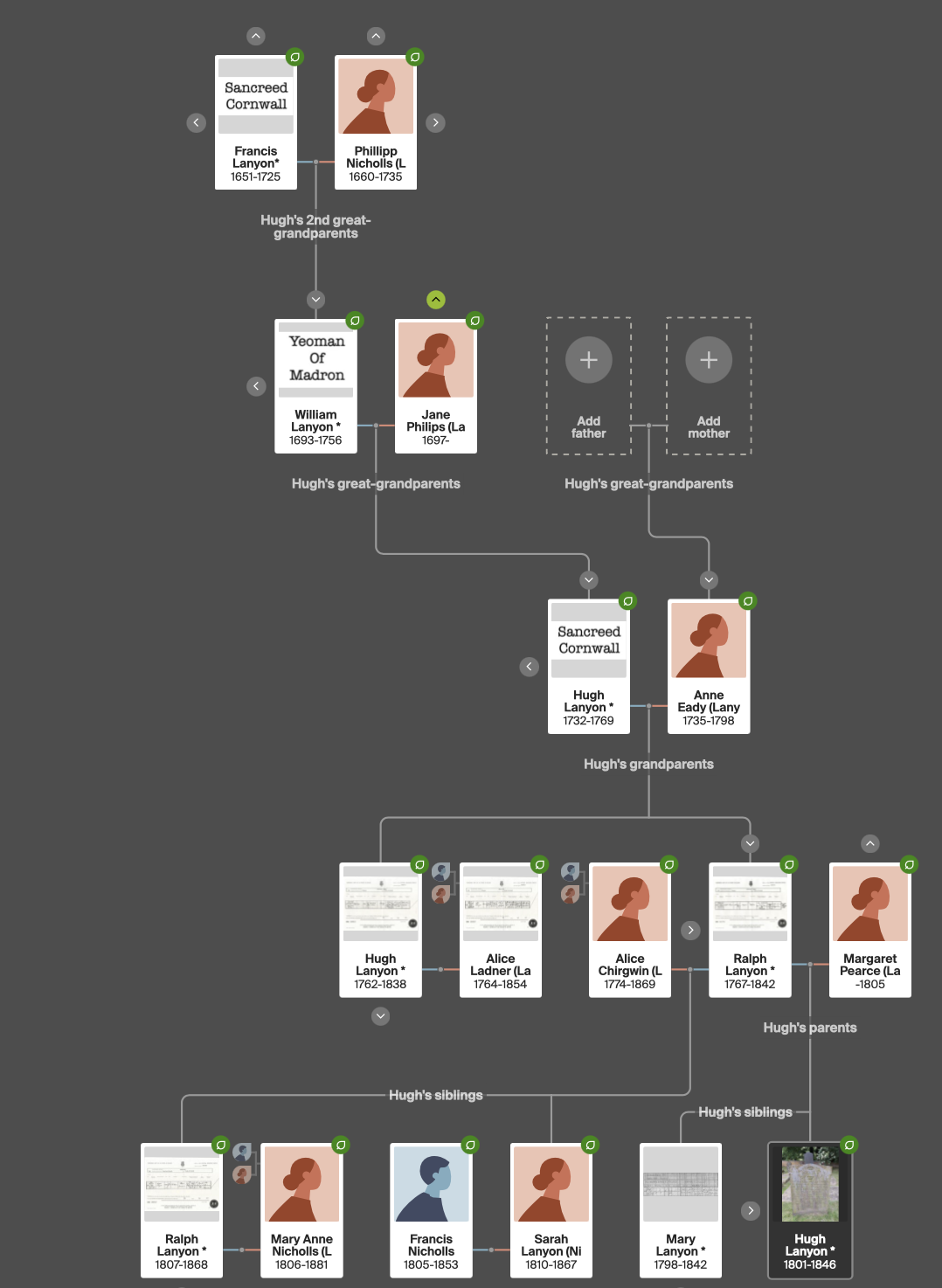
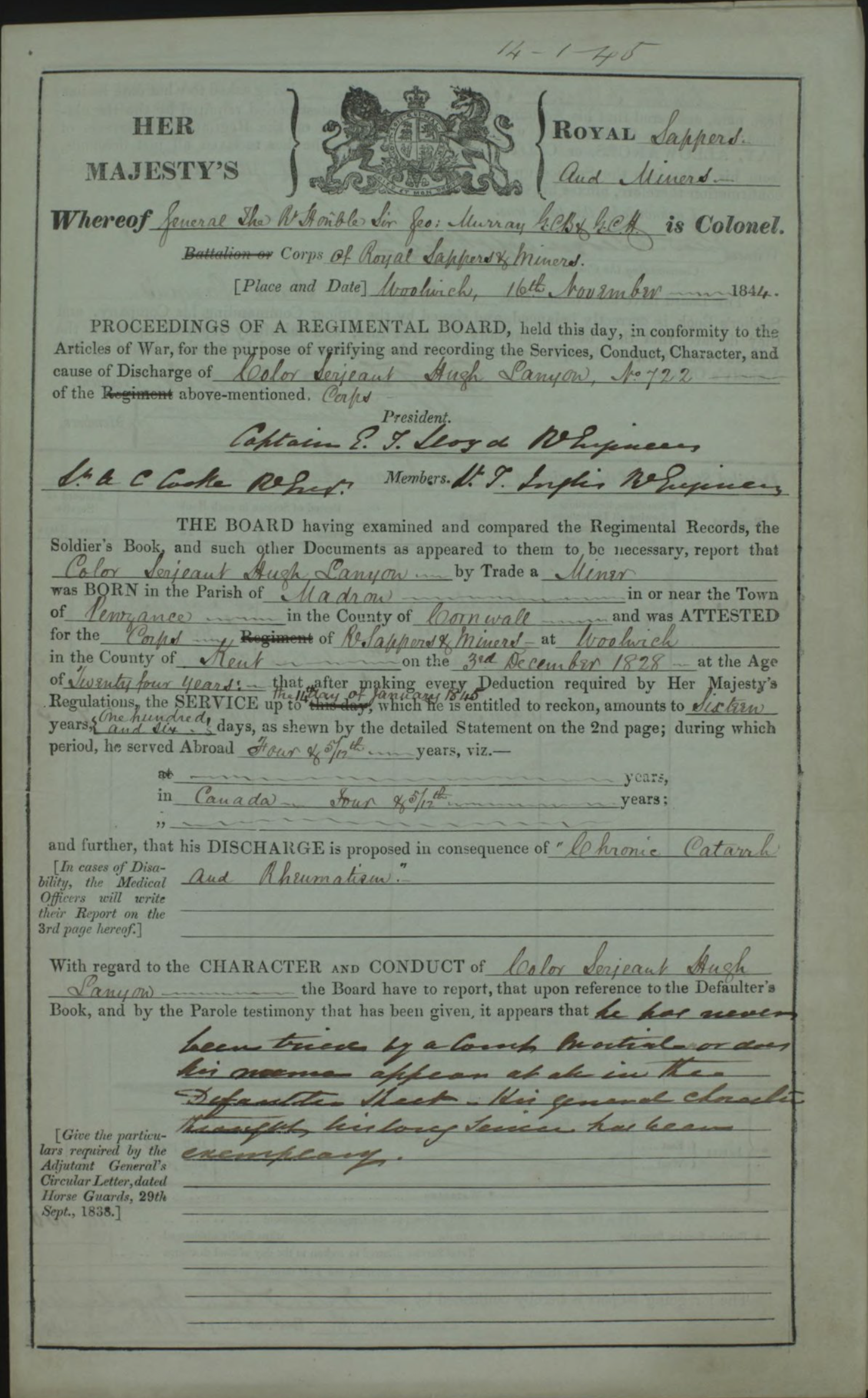
Age 24 Hugh enlisted in the army. He was a Colour Sergeant in the Royal Sappers & Miners.
While bound for Vera Cruz in the ship ‘Cambria’ he helped rescue 551 of the passengers and crew of the ‘Kent’ an East India ship which caught fire in the Bay of Biscay in Feb 1825.
Connolly, in his ‘History of the Royal Sappers and Miners’ p309, writes of him ‘Sergeant Hugh Lanyon, after Sergeant – Major Forbes’ removal, was appointed to the charge of the detachment at Sandhurst College, and carried on the file details in every way to the satisfaction of the authorities. For many years, as a private and non-commissioned officer, he worked at the College, and his example had the best effect on the successive parties with which he served. As a practical sapper he was one of the ablest and most skilful in the corps, and in the rapidity with which he threw up earth works was unsurpassed. Sir Charles Pasley has done him the honour by noticing the extraordinary labours of the sergeant in his ‘Practical Operations for a Siege’. His willing ness and ability in this respect covered, in great measure, his educational deficiencies. In charge of the detachment he displayed his usual industry and exertion, kept his men in perfect discipline and order… so effectively were all the instructions carried out, that the governor of the college, with the sanction of the Master-General, presented him in November (1837) with a case of drawing instruments bearing an inscription ‘flattering to his zeal and services.’
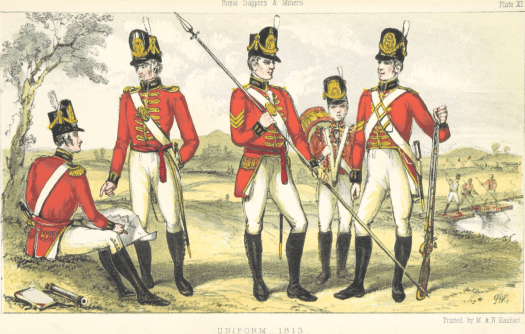
Shortly afterwards he was promoted to colour-sergeant and served in Canada during the rebellion.
Somewhat broken in health he was discharged in 1844 and became a surveyor on the Trent and Mersey Canal, working under James Forbes. He died in 1846 at Lawton in Cheshire.
He was a ‘remarkable man with rather more brawn than brain one suspects‘ (P.A Lanyon-Orgill).
Connolly recounts a story about him while building a stockade at Mississawra in Canada in 1842; ‘six men complained to him of the heavy task they were subjected to in removing timbers about 15 feet long and 12 inches square….Lanyon made no observation, but shouldered one of the unweildy logs and, to the amazement of the grumblers, carried it to the spot unassisted.’
In 1843 he was in Ireland and was sent to explore a sewer running into the Liffe river which might provide a means of entry into Dublin Castle. ‘He did so and found that a strong iron grating existed in the passage, which would effectually prevent the supposed entrance. In this duty, being much exposed to the influence of noxious vapours, he soon afterwards was seized with fever and jaundice, which shortened his days.’ (Connolly).
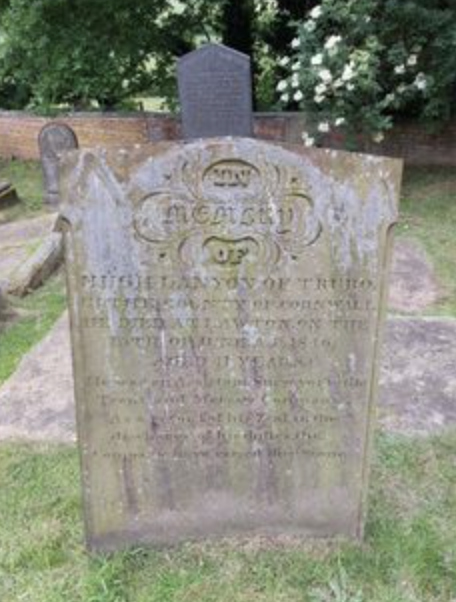
He never married or had any children.

 The Lanyons