The Lanyons, Trewrens and Noy (Noye) families intermarried over several generations.
Lanyon & Trewren families in Tudor times
The Trewren family lived in Sancreed Cornwall. Driff or Drift was the ancient seat of the family—“Dryffe“ wrote Norden in 1584, “The howse of Thomas Tre-wryn.” This family was settled here as early as 1340; they moved from this place to Trewardreva, Constantine.
Map of Sancreed Cornwall – The Lanyon family had homes at Madron, Bosullow, Sancreed, Paul and Morvah in the 15th, 16th & 17th century.
Jane Trewren married Sampson Noy on 22 Jul 1587 at Madron, Jane died giving birth to her seventh child Chesten on 6 Feb 1600. Two years later Sampson married his friend, John Lanyon’s daughter, Ane Lanyon and he had a further ten children!
Lanyon & Noy family
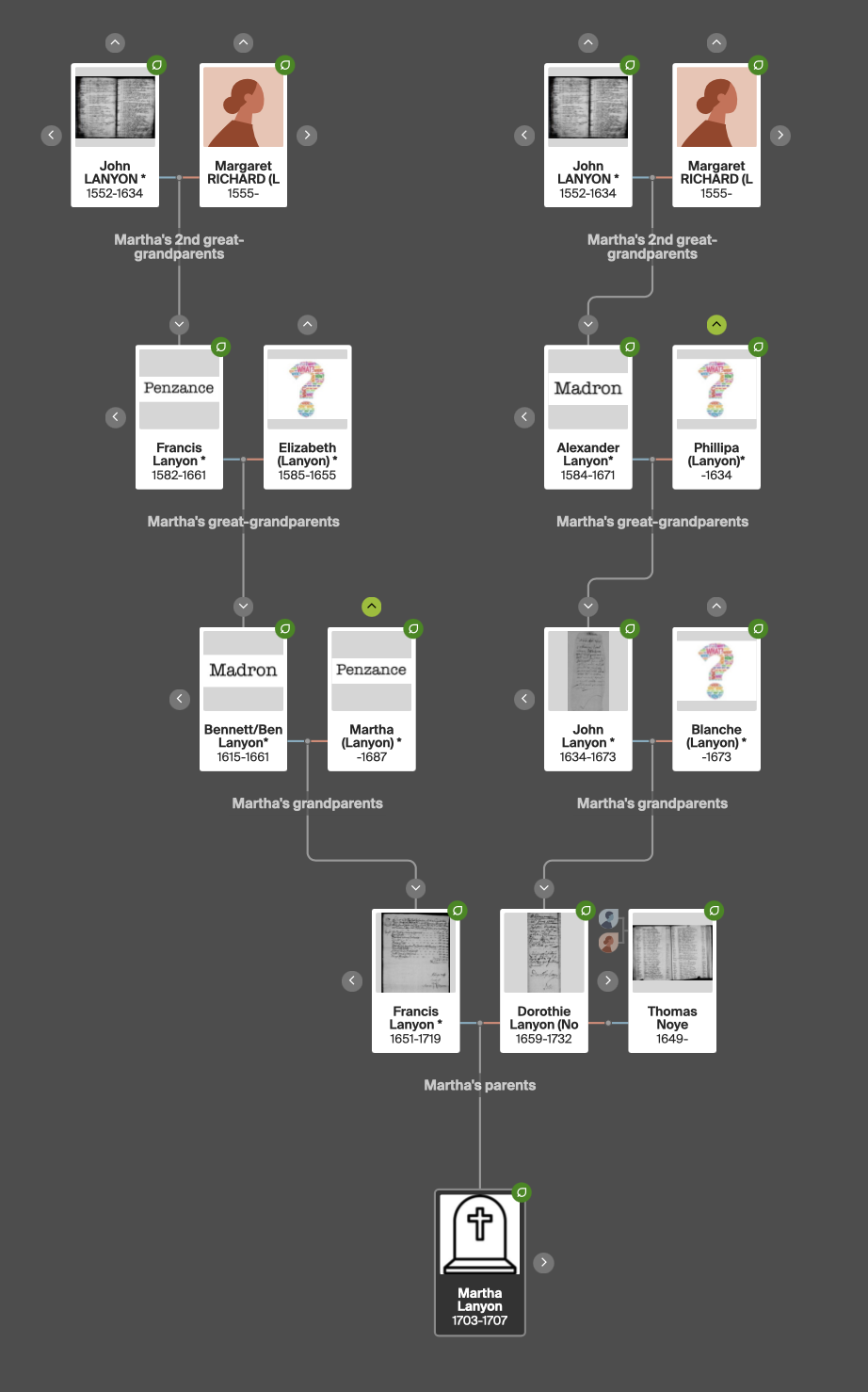
John Lanyon had a son called Alexander who married Philippa, he mentions them in his will of 1634. Their son John was also mentioned in the will but we don’t know when he was born. John junior married Blanche possibly in 1648 because their first child Margaret was born in 1649. Their fourth child Dorothie was born in 1659 and in 1678 she married Thomas Noy. Thomas died in 1699 and Dorothie then married her cousin Francis Lanyon at Morvah in 1701. Francis was fifty when he married for the first time and Dorothie was forty two. Their only child Martha died aged four.
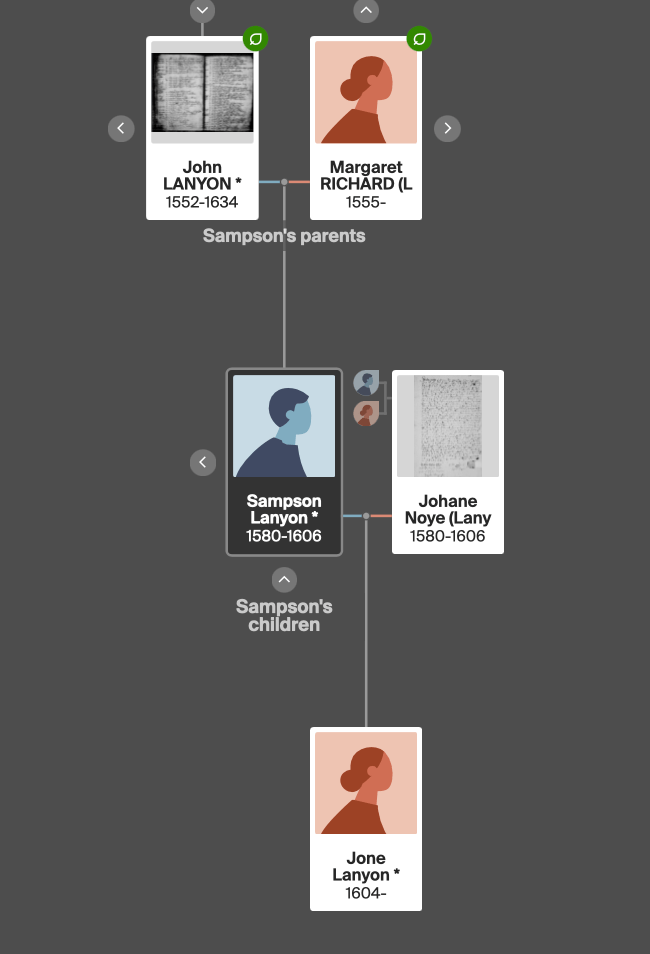
Sampson Lanyon married Johane Noy at Madron in 1602. There is no record of his birth but it is possible that he was an unrecorded son of John Lanyon and Margaret Richard and was named after his grandfather Samspon John Richard. Johane Noy was a daughter of Johane Noy widow of Sancreed who died in 1606. I can’t trace a marriage for Johane who died in 1606 but it seems likely that she was connected to Samspon Noy as he took the inventory of her goods for her will in 1606 along with John Lanyon (gent).
The Noys also married into the Gwinear Lanyon branch of the family.
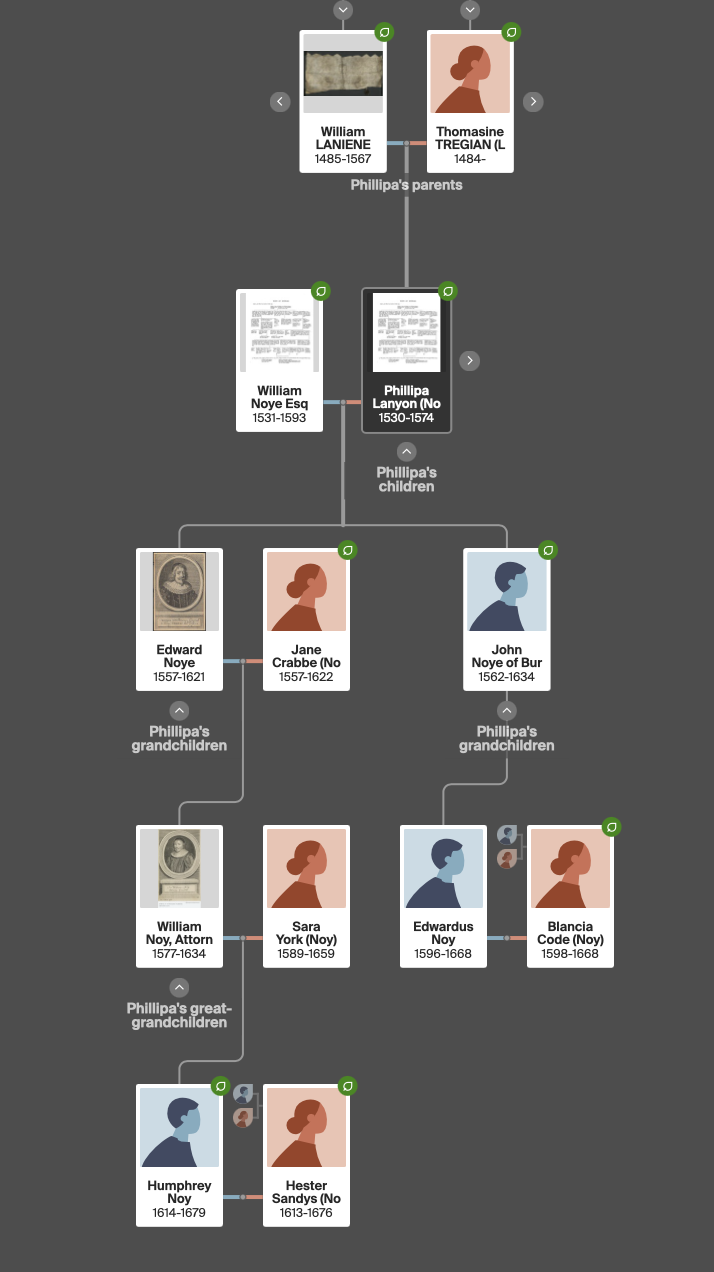
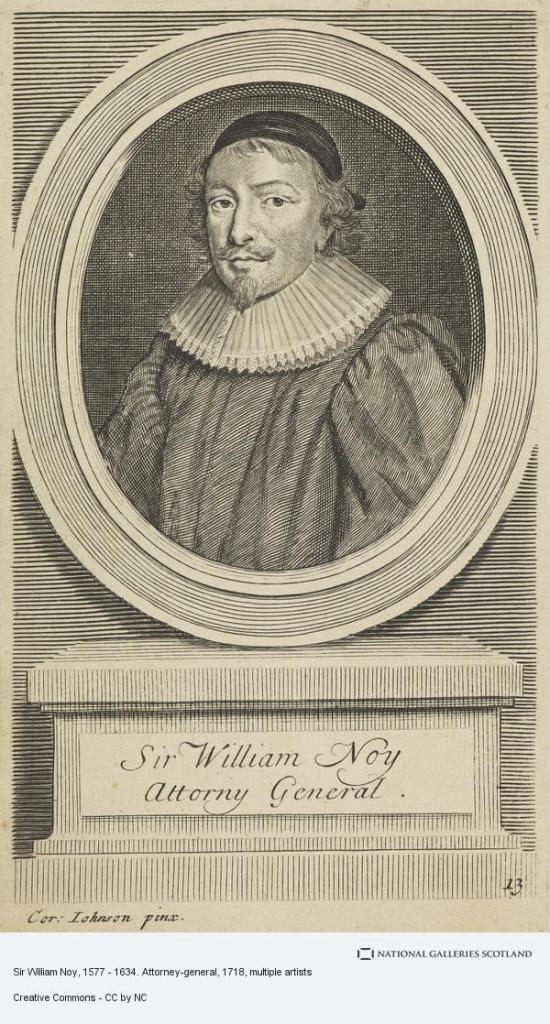
William Noy of Buryan married Phillipa Lenyne about 1556 at Gwinear. The Herald’s Visitation shows Philippa as the daughter of Edward Lenyne but Edward didn’t have any daughters. It seems more likely that Philippa was the daughter of William Laniene Esq and Thomasine Tregian. William and Philippa had at least three sons: William, John and Edward. Edward married Jane Crabb and their son William Noy of Carnanton and of Lincoln’s Inn became Attorney General to Charles I.
Sir William Noy – Attorney General
William Noy’s son was Humphrey Noy of Carnanton. He was born 1614. He married Hester Sandys, the daughter of Henry Lord Sandys. Humphrey served as a colonel in Charles I’s army. His estates were sequestered by Parliament and he was fined a tenth under the Articles of Truro. He lived for many years on the charity of his friends. He died at Mawgan in Pydar and was buried there on 12 Dec 1679. Hester was buried at St Buryan in Cornwall on 5 May 1676.
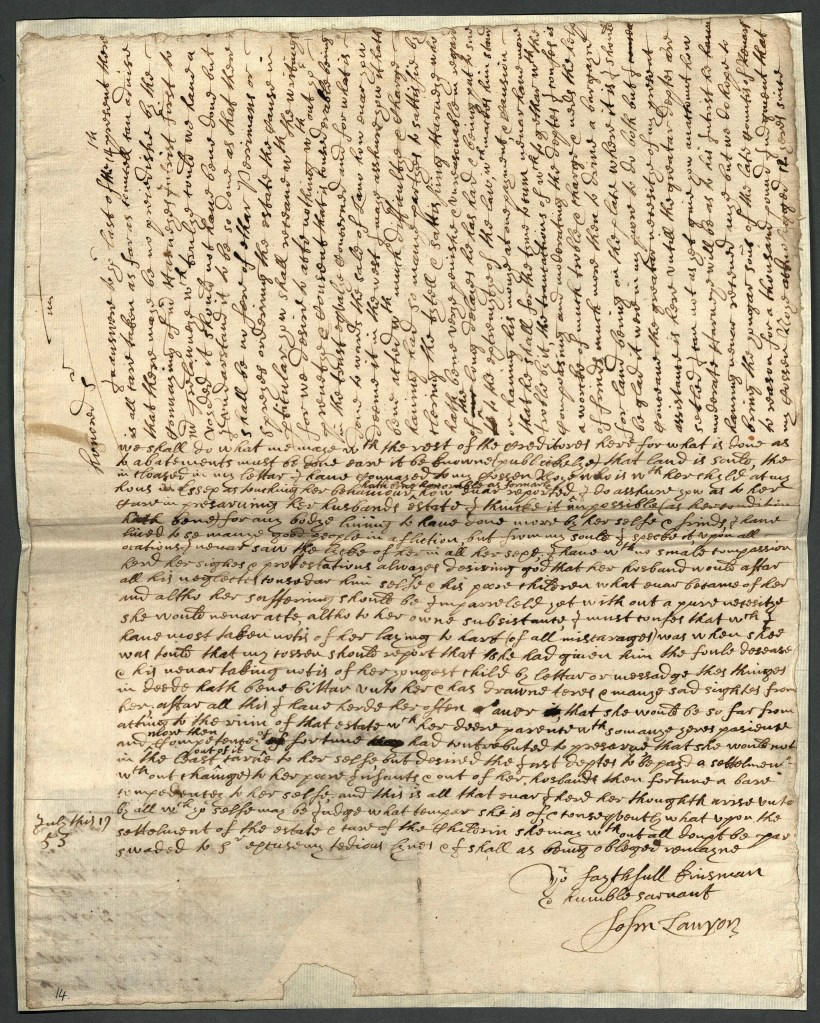
For a time Hester Noy lived at the home of John Lanyon in Essex. John Lanyon wrote to his cousin Rashleigh about Hester and the letter still survives.
Honored Sir, In answer to your last of the 14th present there is all care taken as far as counsel can advise that there may be no prejedishe [prejudice?] by the conveying of Mr Harveys intrist [interest] first to Mr Trelawney which truly could we have avoided it should not have been done but I understand it will be so done as that there shall be [in or no] […?…] of either Perrimans or Spreyes ordering the estate the cause in particular you shall receive with the writings for we desire to act nothing without your [pre…?…] consent that is considerable being in the trust equally concerned and for what is done towards the sale of [land?] however you deem it in the west I may assure you it hath been acted with much difficulty and charge having had so many parties to satisfy closing the [tytell? title?] and satisfying Harveye who hath been very peevish and unreasonable in regard of the long delays he has had and being put to [sue?] ? to the extremety of the law, which [makes?] him stand on having his money at one payment, and caution that he shall for the time [to come?] never have more trouble by it, the transactions of which together with the [composing?] and moderating the deptes [debts?] I confess is a work of much trouble and charge and needs the help of friends much more then to drive a bargain for land being on the place where it is I should be glad it were in my [p..?..] to do both but I [c..?..] the greater necessity of my present assistance is here until the greater depts [debts?] are settledI can not as yet give you an account how moderate Harveye will be as to his intrist [interest?] he having never received any but we do hope to bring the younger sons of the late Countis [Countess?] of […?…] to reason for a thousand pound judgement that my cousin Noye [a…?…] 12 years since, we shall do what we may with the rest of the creditors here for what is done as to abatements must be done [save?] it be known (publicly) that land is sold, the in cloased [enclosed] in my letter I have conveyed to my cossen Noye who is with her child at my house in Essex as touching her behaviour how ever reported [following inserted] hath been honorable as formally, I do assure you as to her care in preserving her husbands estate I think it impossible (as her condition has been) for any body living to have done more by herself and friends, I have lived to see many good people in affliction, but from my soul I speak it, upon all occasions never saw the like of her in all herself. I have with no small compassion heard her sighs and protestations always desiring god that her husband would after all his neglects consider himself and his poor children what ever became of her and also her suffering should be [impass..?.. impossible?] yet without a [purse?] necessity she would never ask, although to her own subsistance, I must confess that which I have most taken notice of her laying to heart (of all miscarriages) was when she was told that my cossen should report that she had given him the foul disease and his never taking notice of her youngest child by letter or message these things indeed hath been bitter unto her and has drawn tears and many sad sighs from her. After all this I have heard her often aver that she would be so far from acting to the ruin of that estate which her dear [parent?] with so many years [patience?] and more then [than?] competencey of fortune had contributed to [preserve?] that she would not in the least out of it carve to her self, but desired the just debts to be paid a settlement without [charge?] to her poor infants and out of her husbands then fortune a base competency to her self, and this is all that ever I heard her thought arise unto by all which your self may be judge what temper she is of, and consequently what upon the settlement of the estate and care of the children she may without all doubt be persuaded to. Sir excuse my tedious lines and I shall as being obliged remain your faithful kinsman
and humble servant
John Lanyon
Source – Cornish Record Office RS/1/62 dated 19 Jul 1653 transcribed by Louise Quigley
John Lanyon’s daughter Hester (1635-1700) may have been named after Hester Noy.

 The Lanyons