
In the 17th century if a house caught fire it could have devastating consequences for the whole town. Wooden buildings burned easily and without a fire brigade to fight the fire the flames could consume huge areas.
The Great Fire of London in 1666 is probably the most famous fire. It started in Pudding Lane and spread rapidly and destroyed over 13,000 homes, 87 churches and St Paul’s Cathedral in the medieval city. Miraculously the death toll was relatively small.
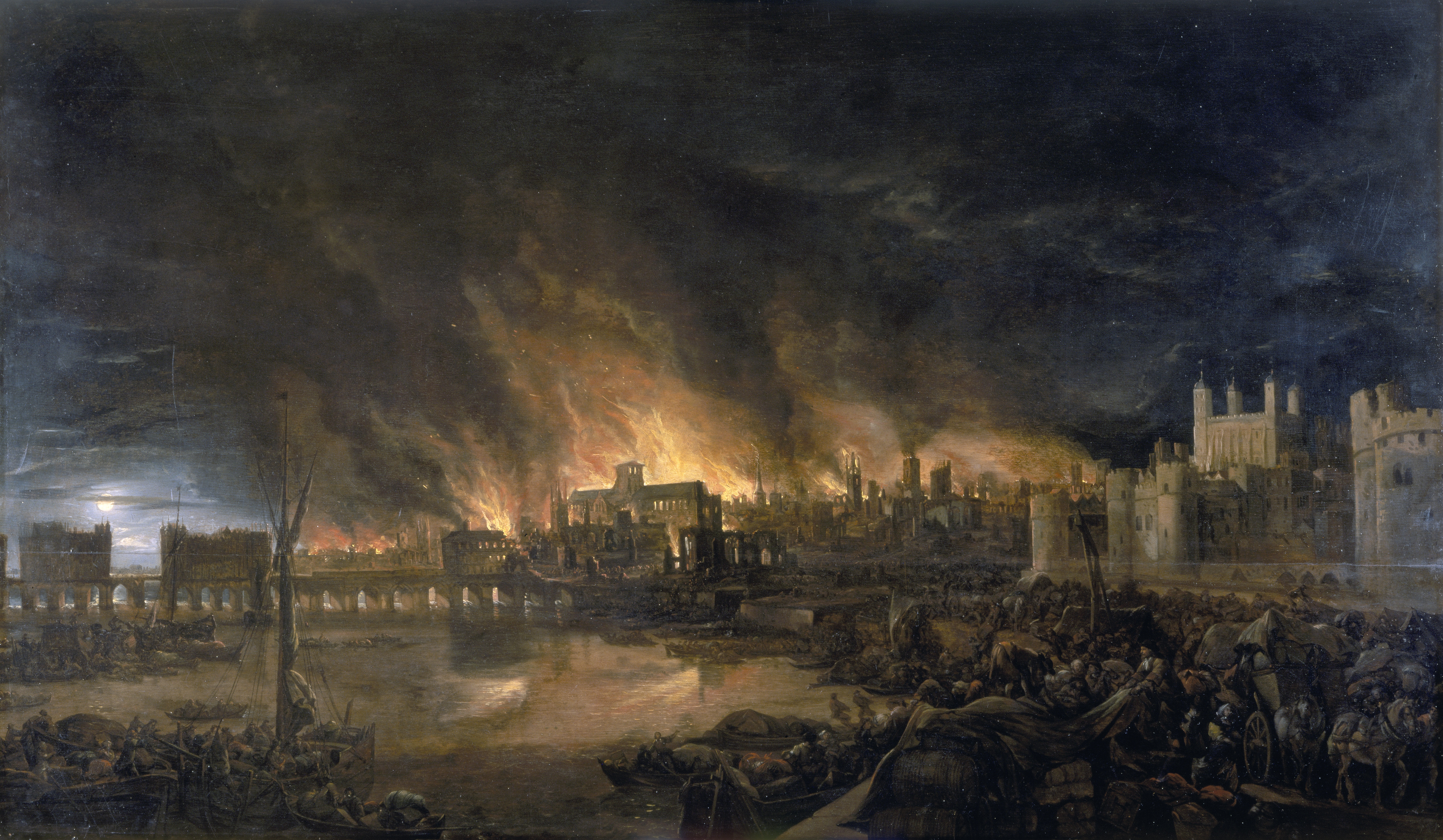
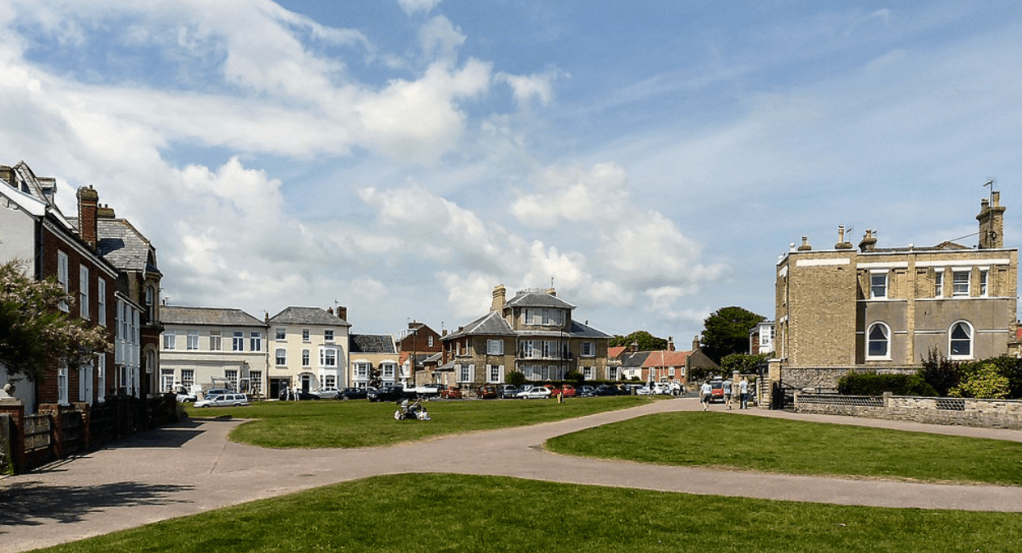
In 1659 the town of Southwold in Suffolk suffered a devastating fire. Over 450 buildings were lost and many families faced poverty and ruin. In the space of four hours the town was changed forever.
The fire left many open spaces and the town didn’t rebuild on them. This created natural fire breaks and has resulted in the town having lots of green spaces today.
So why am I mentioning this on a Lanyon website? On the 2 October 1659 the church warden at St Michael Penkevil Church in Cornwall held a collection for the inhabitants of Southwold in Suffolk who had ‘suffered fire’. He collected £2. 8/- 1d.
The church warden was John Lanine, he was described in the Parochial History of Cornwall by Davies Gilbert as ‘a sea sand barge daily labourer’. He was the father of John Lanyon who is the subject of the post ‘Poisoned’.

 The Lanyons