John Lanyon of New York

I came across this Lanyon quite by chance whilst looking at a book about the history of Harlem.

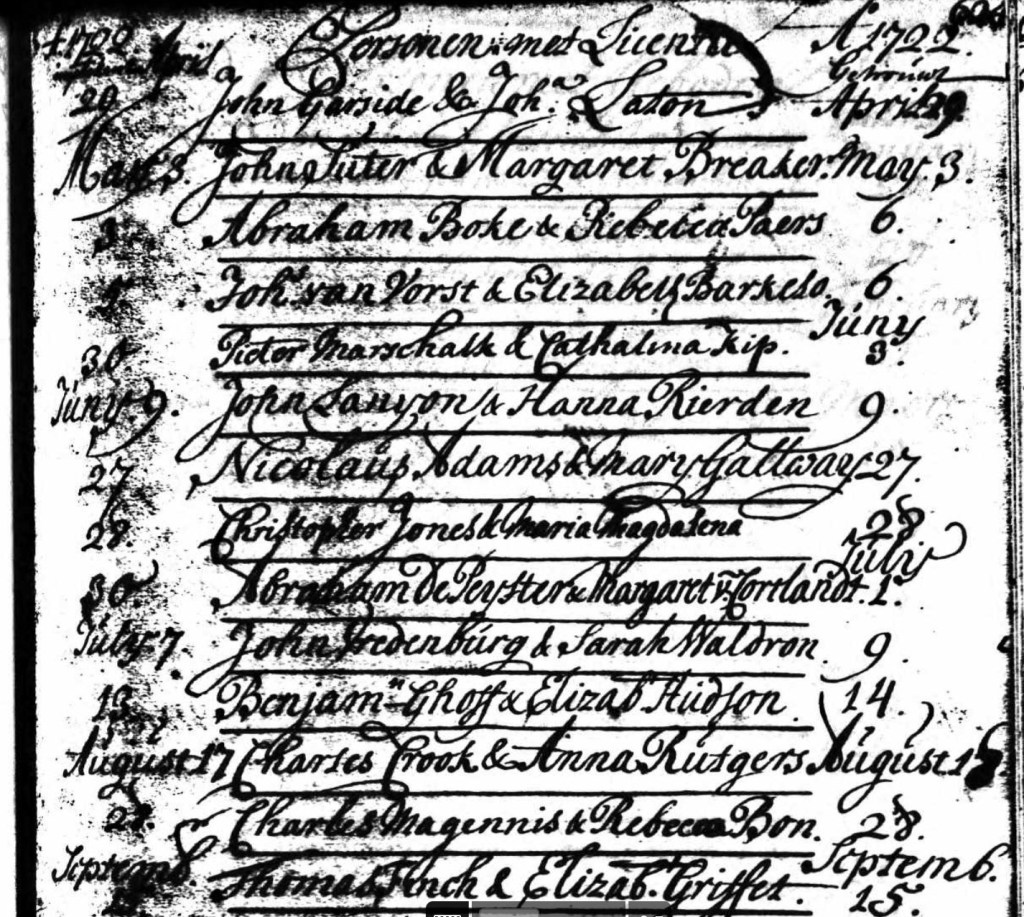
On 9 Jun 1722 John Lanyon married Hanna Rierden in New York.

New York City marriage index 1600-1800

Hanna was the daughter of Thomas Pearsall/Parcell and Christina Van Hattem. She was born about 1680 at Dutch Kills, New York. In 1708 she married Jeremiah Rierden but he died and there were no children of this marriage.

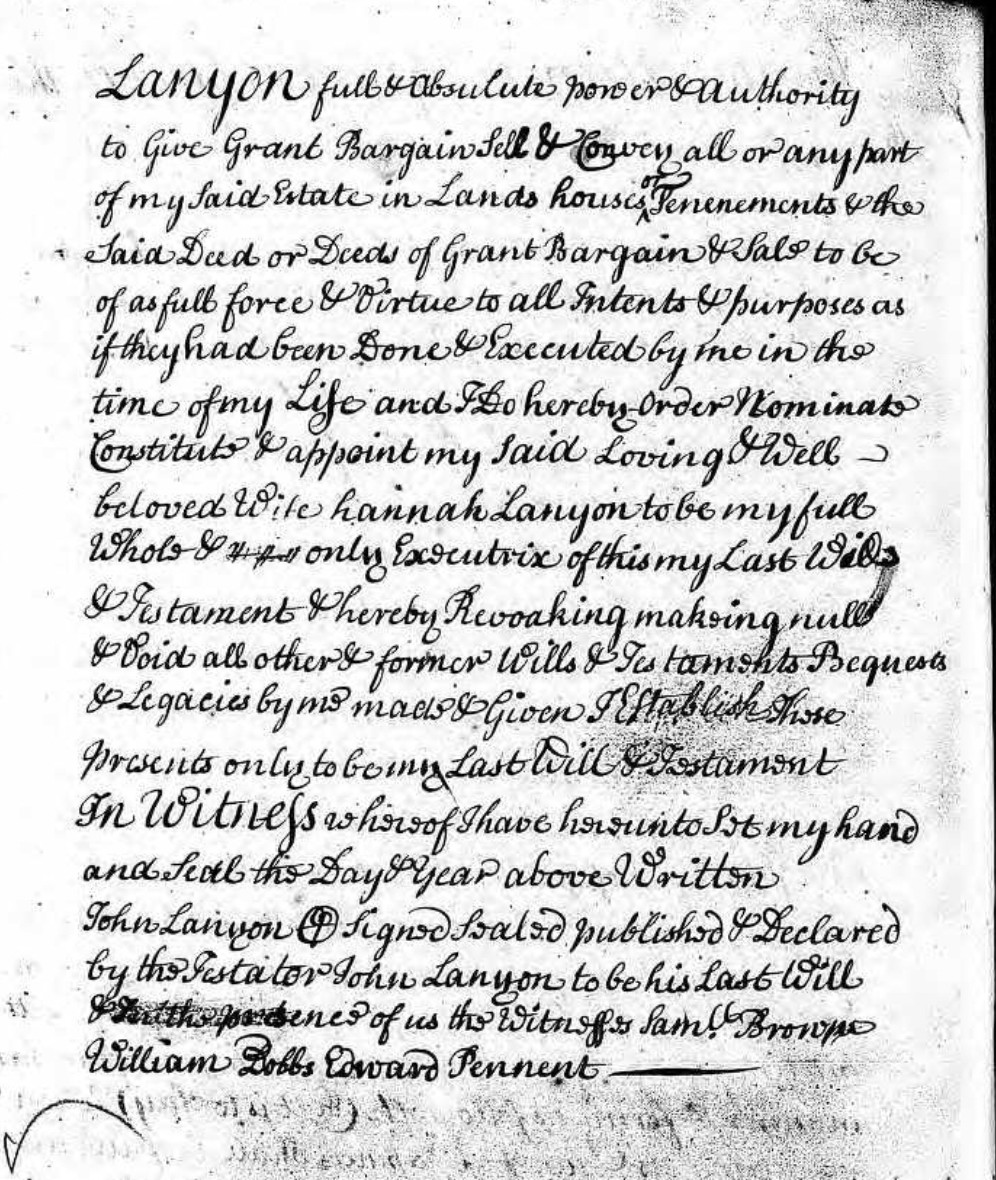
In 1723 Thomas Pearsall wrote his will:-

Hart Island (City Island) is still called that today and is known as Potter’s Field.

Excerpt from History of Harlem by James Riker

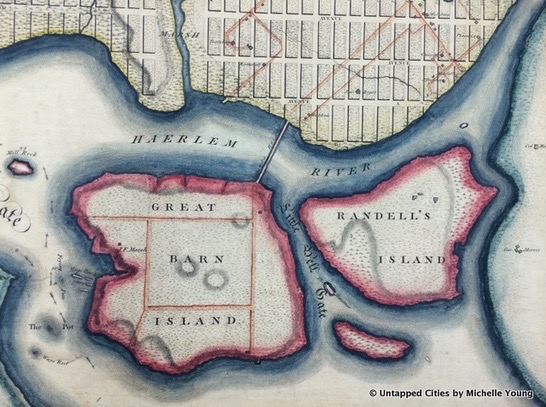
Great Barents Island (now Randalls & Wards Islands) at Harlem was sold 9 Aug 1687 by Jacob Milborne to Thomas Parcell. Thomas Parcell was the son of John Parcell also known as ‘John the butcher’ from Huntingdon county, England, who early settled at Dutch Kills. When John died in 1680 he left his children: Thomas, William, Henry and Catherine an estate worth 6,000 guilders. Thomas, born 1653 and bred a blacksmith, married Christina Van Hattem. On removing to Great Barents Island, he sold his lands at Dutch Kills to Bourgon Broucard and Hans Covert on 21 Jun 1690 for 4,087 pounds. Parcell built a grist mill at the upper side of his island. His son John bought the northern half of the island 4 Jun 1722 and on 29 Mar 1723, Thomas and Christina sold the other half to son-in-law John Lanyon of New York, innkeeper. Parcell died prior to 1732 on Spectacle or Hart Island (Now City Island) which he then owned. His will mentions his children: Nicholas, John, Henry, Hannah and Eda.

  • Nicholas Parcell married a daughter of the Hon, Rip Van Dam.
  • John Parcell kept his half of Great Barent’s or Parcell Island until his death in 1751 age 75. He married Leah Van Alst and they had nine children. He gave his share to his son Thomas Parcell who married Deborah Penfold. Thomas was drowned in Hellgate on 1 Aug 1766 in the evening attempting to swim his horse to the island
  • Henry Parcell succeeded to Hart Island.
  • Eda married Walter Dobbs.

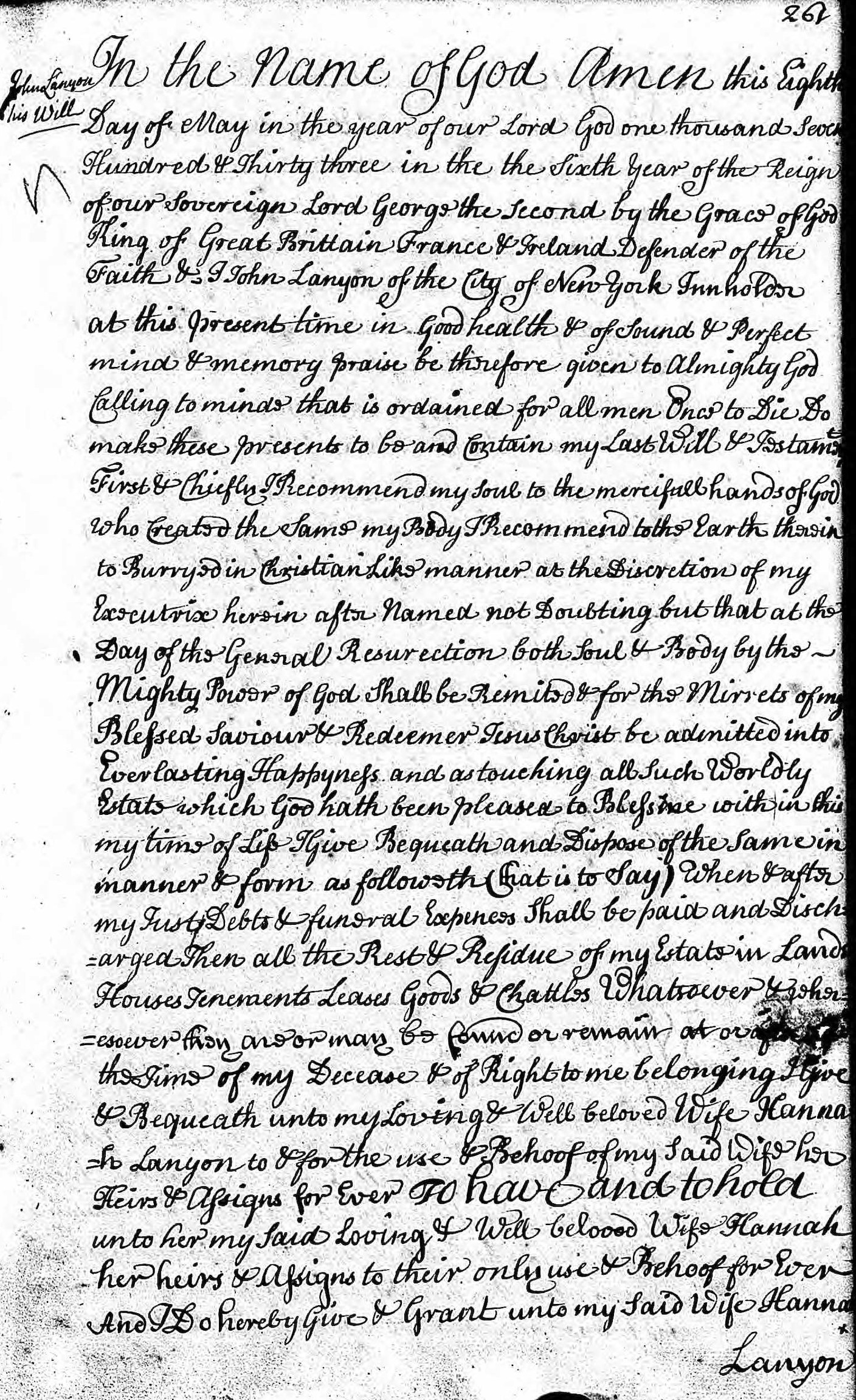
John Lanyon died, probably 1733 and his will was proved 8 Jan 1734.

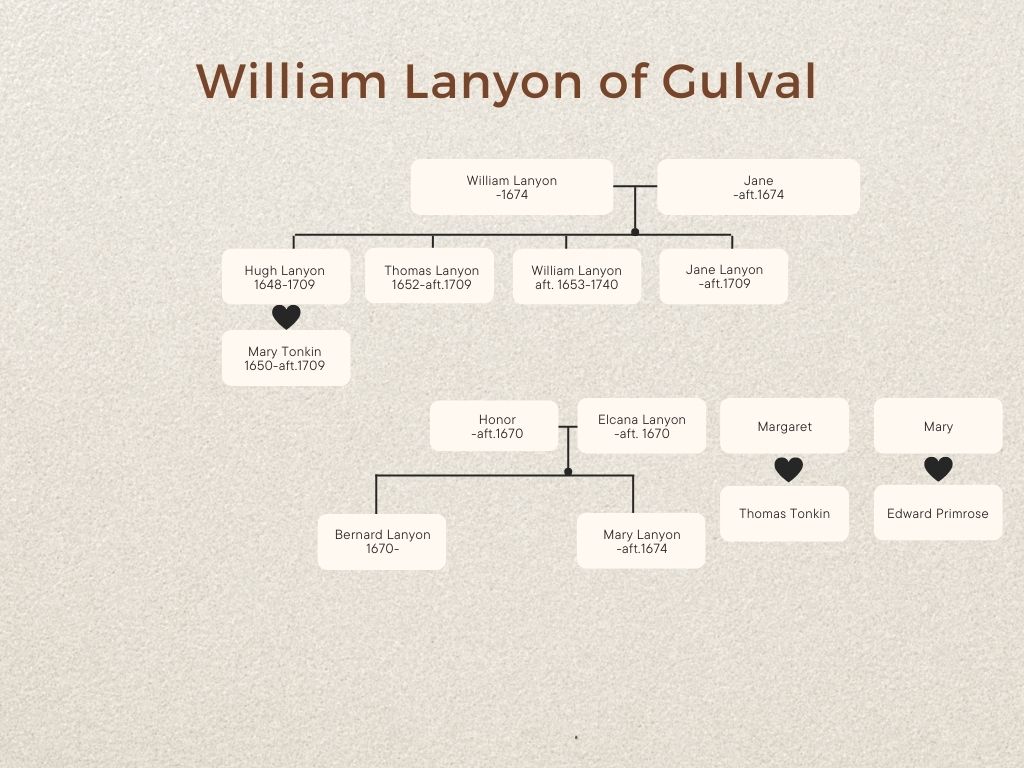
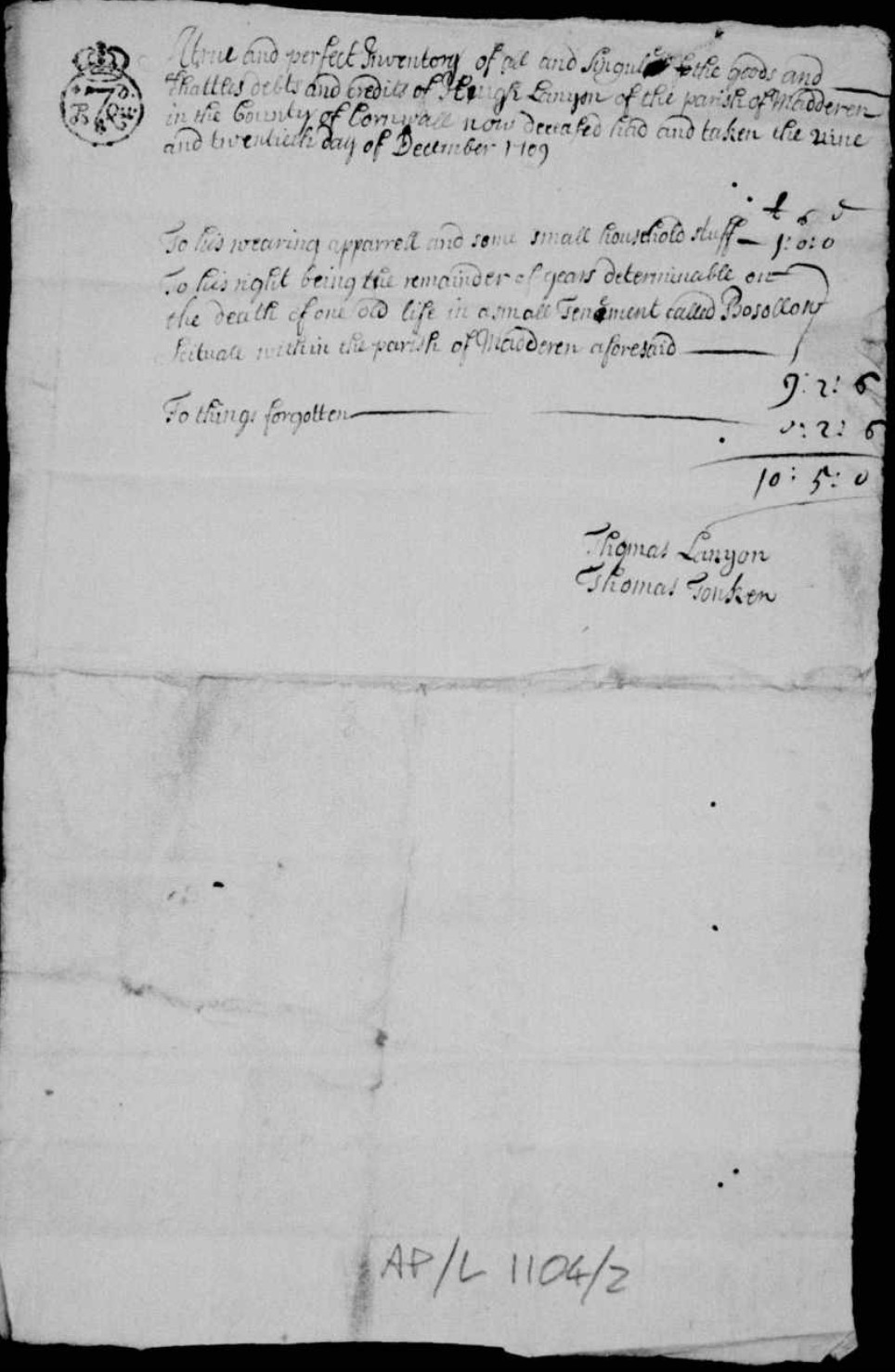
Hanna and John had no children and there are no clues in his will as to his origins. Could he be the John Lanyon who was the son of Hugh Lanyon and Mary Tonkin (Morvah branch), he was baptised in 1692 and there is no trace of him?

On 17 Jan 1735 Hanna married for a third time, to Thomas Behena. There were no children from this marriage. In 1765 she mortgaged her half of the island.

Great Barents (Barn) Island in New York City

Navigating the Site

This is my first attempt at building a website and it shows! About half way through I realised that a different layout might have worked better but it was too late to go back and start again. It’s also a work in progress and new posts and material is added all the time.

How to find your way round

Home

As the name suggests this is the the starting point.

It’s easier to start with the Medieval Lanyons and work forward, the site layout is broadly chronological however the posts were all written at different times so reading the ‘previous post’ or ‘next post’ won’t necessarily be in order. It’s easier to go back to the drop down and navigate from there.

Medieval Lanyons

The drop down box contains a list of posts which are broadly chronological.

If you double tap the header ‘Family Tree -Medieval Times’ a landing page will open.

Lanyon Branches

After the Tudor Lanyons the family breaks off into separate branches and each branch has its own set of posts.

‘Lanyon Tree Branches’ are the earlier branches of the family whilst ‘More Lanyon Branches’ are the later branches of the family.

Some of the posts are a bit like Books of the Old Testament with lots of ‘William begat John’ and not much else, I did consider leaving out anyone without a back story but it’s a lot easier to include them.

Distaff Side

The people who have married into the Lanyon family.

The Black Sheep

The bad boys of family history – these are the people the genealogists secretly like! They won’t necessarily be called Lanyon, they’re the people I’ve stumbled upon and then spent months trying to track them down!

‘Loose’ Lanyons

The Lanyons that don’t quite fit on the tree….yet!

Miscellaneous

All those Lanyons and iterations of the name I’ve come across whilst carrying out research.

About

Me! How to contact me and the various sources I’ve used.

History

Some links and information about the bigger historical picture.

Cornwall-Kernow

Somewhere for all the stories about Cornwall that didn’t quite fit anywhere else. This is not a comprehensive list of all things Cornish just a home for some of the information I came across while researching the family.

Miscellaneous – Places

The Lanyons have travelled to just about every corner of the world and have left their name on various buildings, roads and landmarks. These are a few of them.

Lanyon Homestead – Canberra Australia

Lanyon is an historic homestead and grazing property located on the southern outskirts of Canberra in the Australian Capital Territory. James Wright and his friend John Lanyon settled at Lanyon in 1833 as squatters after arriving from London earlier that year. Wright and Lanyon established farm but when Wright died in 1837 Lanyon returned to London but the farm lived on.

Lanyon Homestead – Sheba_Also 43,000 photos, CC BY-SA 2.0 https://creativecommons.org/licenses/by-sa/2.0, via Wikimedia Commons

Lanyon House – Mineral Point Wisconsin USA

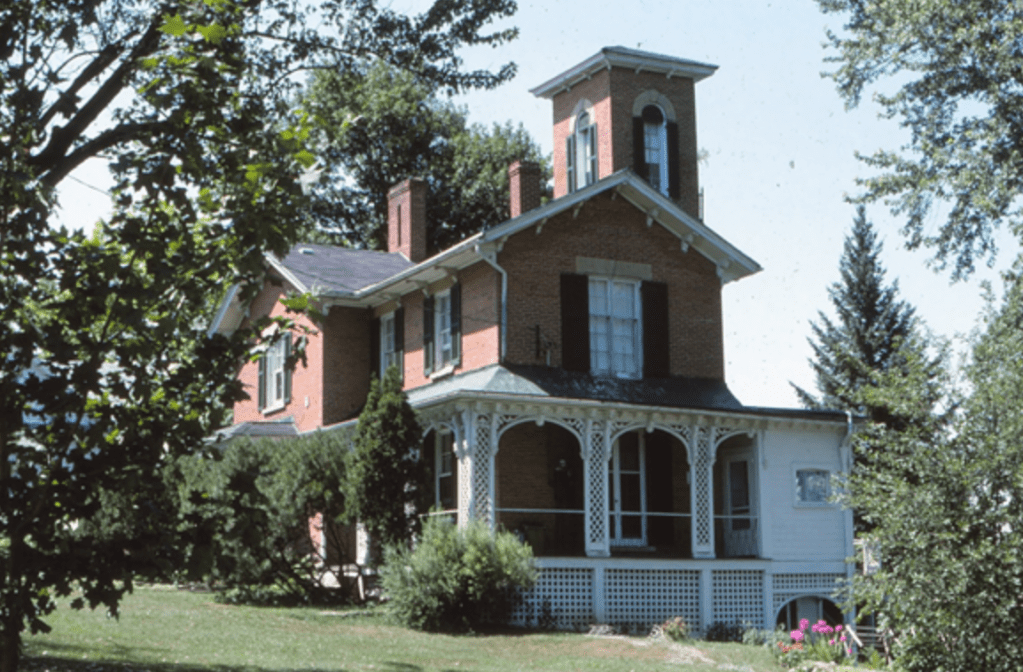
Lanyon House was built in 1854 by William Lanyon (Snr) from St Allen. William emigrated from Cornwall in 1840 and founded an iron foundry – he was a foundry founder!

Wisconsin Architecture and History 309 Front St – ref 58367

Lanyon Street – Bracken Ridge Queensland Australia

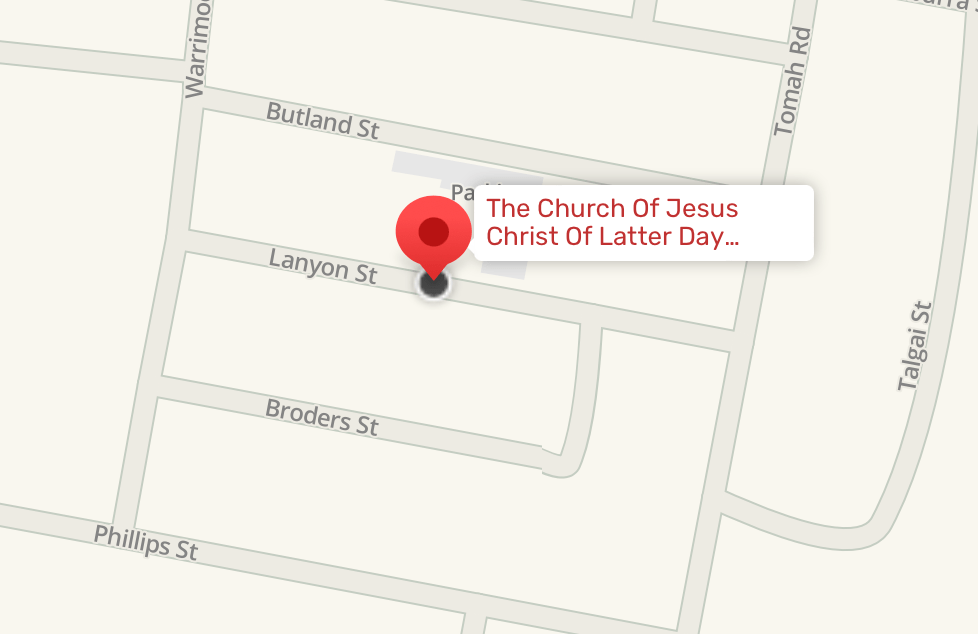
Bracken Ridge is a suburb of Brisbane. The first settlers arrived there in 1857. We don’t know who Lanyon St is named after but it is the location of the of the library of the Church of Jesus Christ of Latter Day Saints where it is possible to locate many of the records used on this website!

Lanyon Vale – Orange River South Africa

Lanyon Vale is a diamond mine in South Africa

Lanyon Place Railway Station – Belfast

It was Belfast Central but following an upgrade it was renamed Lanyon Place in 2018. Named after the famous Irish architect Sir Charles Lanyon.

Lanyon Place Station

Lanyon Suite -Ten Square Hotel Belfast

The exquisitely appointed Lanyon Suite on the Sixth Floor at Ten Square is the absolute pinnacle of luxury – a beautiful suite to immerse yourselves in, romantically set amongst the rooftops in the heart of the City.

Lanyon House – Retirement Homes Plymouth

Founded by John Lanyon of Plymouth in the 17th Century the homes were rebuilt in the 19th Century and are still in use today.

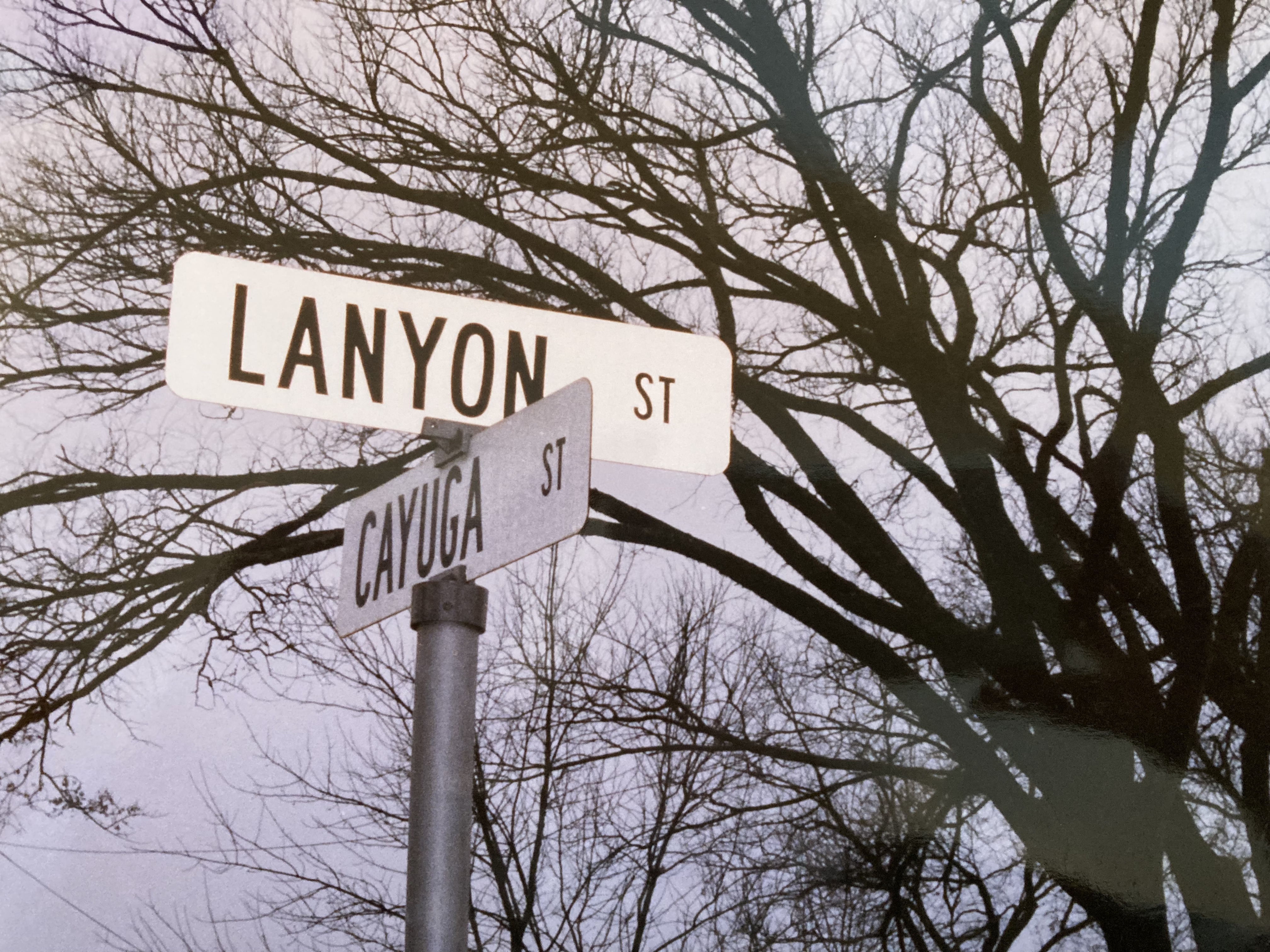
Lanyon St – Cheshire New Haven Connecticut USA

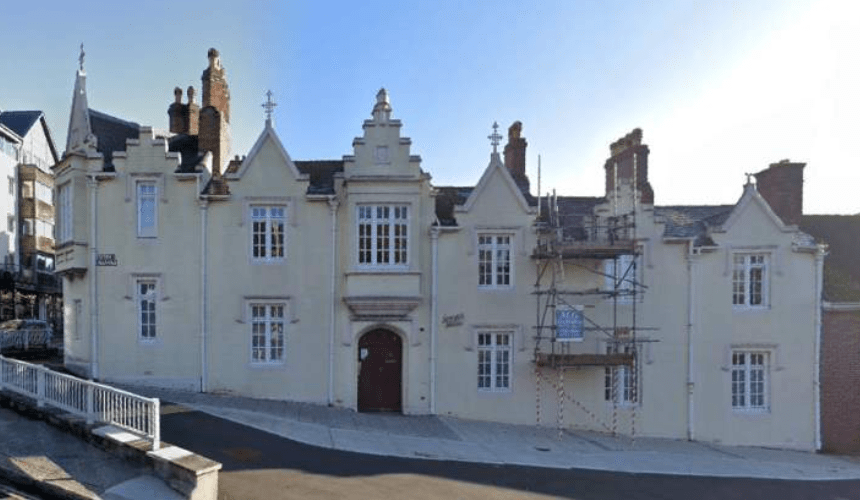
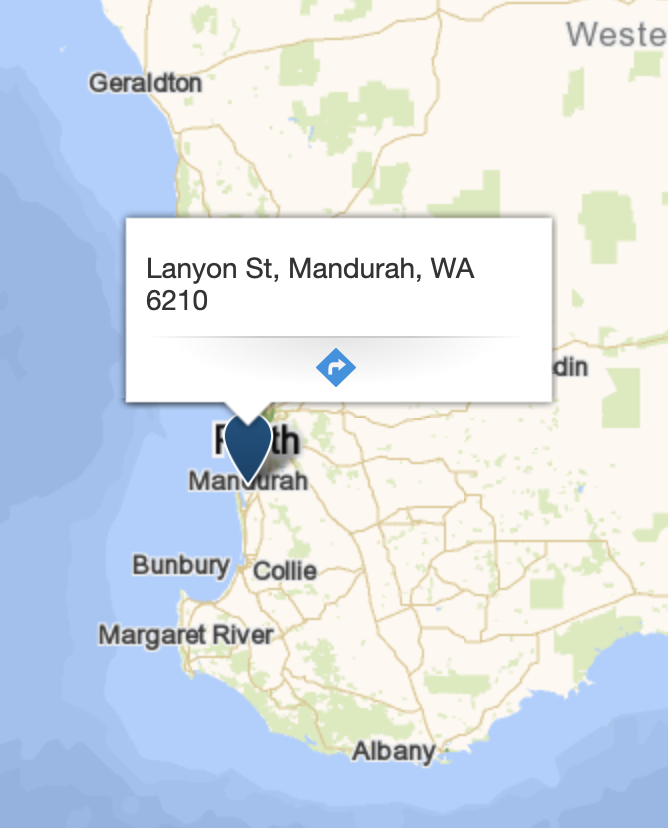
Lanyon St – Mandurah Australia

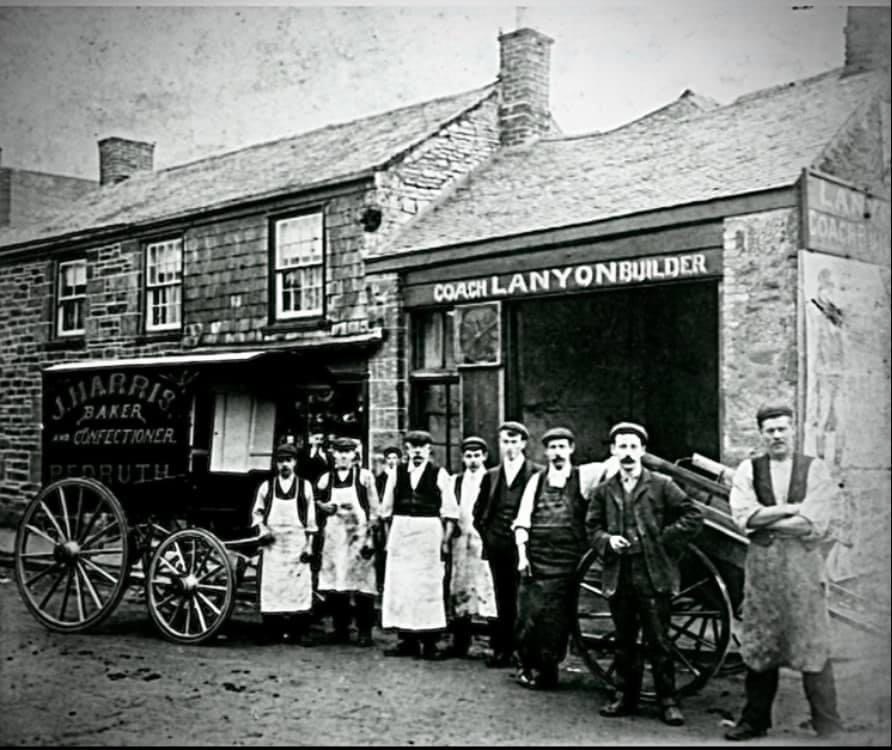
Lanyon Coach Builders

The Lanyon coach builders were on the Falmouth Rd in Redruth at the beginning of the 20th century.

Miscellaneous – Artists

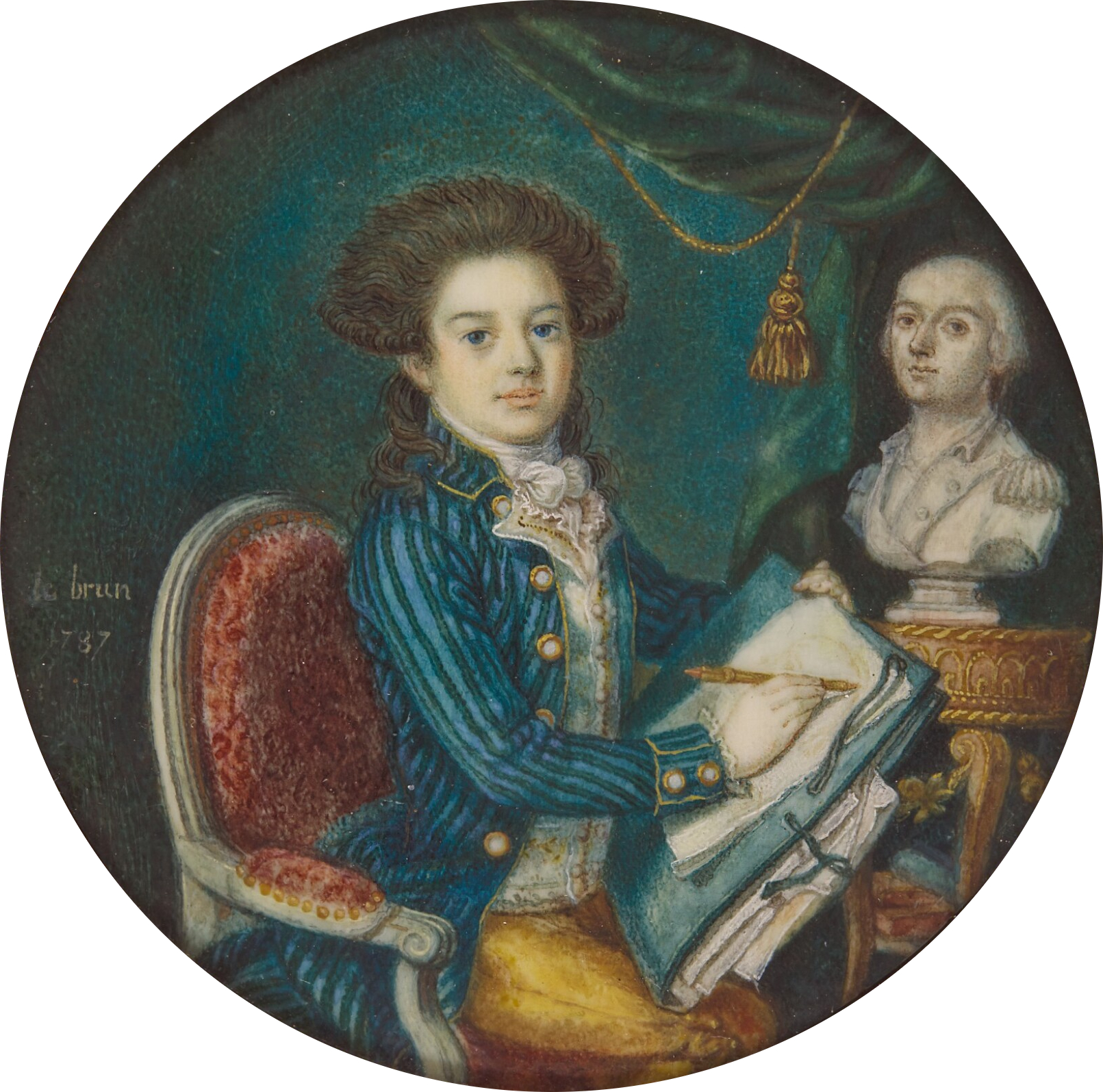
The most famous Lanyon artist is Peter Lanyon, but he’s by no means the only Lanyon artist.

Portrait of an artist – Jacques Lebrun, Public domain, via Wikimedia Commons

Arthur Lanyon

https://www.arthurlanyon.co.uk/

Andrew Lanyon

Amy Lanyon

Bo Lanyon

Deborah Lanyon

Ellen Lanyon

Matthew Lanyon

E. Jean Lanyon

Catherine Rosina Lanyon

Kate Lanyon

There are two Kate Lanyon’s painting in Cornwall. One is Catherine Rosina and the other is Catherine Septima Lanyon.

Kate Lanyon (Catherine Septima)

Miscellaneous – Literature

This post is all about the various Lanyon authors and books mentioning Lanyons.

Dr Jekyll and Mr Hyde by Robert Louis Stevenson

Dr Hastie Lanyon is one of the characters in Dr Jekyll and Mr Hyde, he represents the traditional scientist uninterested in the ‘other world’. Lanyon and Jekyll had been firm friends but Lanyon broke off the friendship when Jekyll became too focused on delving into the darker aspects of science. Jekyll/Hyde decide to take their revenge on Lanyon and Hyde arranges a metamorphosis to occur before the good doctor Lanyon. Lanyon is so horrified that Jekyll has been successful in releasing his own evil that Lanyon cannot face the thought that there resides a similar Edward Hyde within him; three weeks after Hyde’s contrived baiting of Lanyon’s curiosity, the meek doctor is dead of shock. (Cliffs Notes.)

Dr Hastie Lanyon – Charles Raymond Macauley (1871 – 1934), Public domain, via Wikimedia Commons

The House of Lanyon by Valerie Anand

The War of the Roses rages around the Lanyons in Exmoor. When two ambitious families occupy the same patch of English soil, rivalry is sure to take root and flourish. A glimmer of initiative swells into blind desire, and minor hurts, nursed with jealousy, fester into a malignant hatred. When a bitter feud is born the price for this wild and beautiful piece of ground will take more than three generations to settle. (Amazon.)

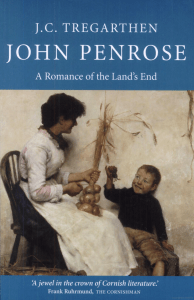
John Penrose by John Coulson Tregarthen

Set in the countryside near Penzance (around Lanyon) is the early nineteenth century, this engaging novel chronicles the adventures of John Penrose, a farm labourer’s son – from poaching on the moors and smuggling to a near-fatal skirmish. Full of rich character and vivid depictions of the countryside, wildlife and farming customs, John Penrose is a thoroughly entertaining read, offering a fascinating portrait of life in rural Cornwall.

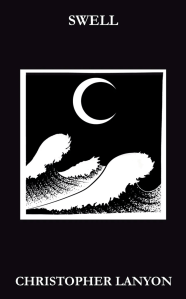
Swell by Christopher Lanyon

Christopher Lanyon’s playful, topographical poems embody what it means to swell: in the rising and falling breath of landscape, in the joyous vulnerability of intense friendship and love, in the wake of the inexorable changes to which body and world are bound. This pamphlet takes a kaleidoscopic view of the material; full of flex and growth, feather and claw. In dialogue with fathers and poets, quarries and coastlines, Lanyon asks who we are, and who we want to be. (Bad Betty Press.)

Walter Clemow Lanyon

Walter was born in America in 1887 the son of Simon Lanyon and Ellen Tresedder (St Allen branch) and travelled all over the world investigating and studying the various presentations of Christian teachings. He wrote numerous spiritual books. He died in 1967.

  • And It Was Told of a Certain Potter (1917)
  • Embers (1918)
  • Your Home (1918)
  • Has It Ever Occurred To You? (1919)
  • Abd Allah, Teacher, Healer (1921)
  • A Royal Diadem (1921)
  • Treatment (1921)
  • Demonstration (1921)
  • Your Heritage (1923)
  • The Joy Bringer (1925)
  • Leaves of the Tree (1925)
  • London Notes and Lectures (1928)
  • Impressions of a Nomad (1930)
  • It Is Wonderful (1931)
  • The Laughter of God (1932)
  • The Eyes of the Blind (1932)
  • Behold the Man (1933)
  • Out of the Clouds (1934)
  • A Lamp Unto My Feet (1936)
  • The Temple Not Made With Hands (1936)
  • Thrust In the Sickle (1936)
  • A Light Set Upon a Hill (1938)
  • I Came (1940)
  • That Ye Might Have (1940)
  • Life More Abundant (1940)
  • Without the Smell of Fire (1941)
  • 2 A.M. (1944)
  • The Impatient Dawn (1946)
  • Ask (1970)
Walter Clemow Lanyon

Carla Lanyon Lanyon

A ‘virtual’ Carla reading her poem.

I don’t know where Carla fits in the tree.

Craig M Lanyon

‘Thoughts from a Mountain’ poetry.

The Spectre of Lanyon Moor

Dr Who episode written by Nicholas Pegg.

Richard Lanyon

Richard Lanyon wrote two books ‘Draining Chicago’ and ‘Building the Canal to Save Chicago’.

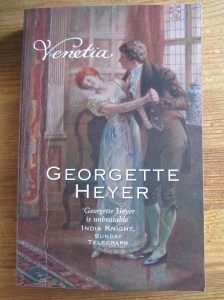
Venetia by Georgette Heyer

Heyer’s 1958 novel is about Venetia Lanyon

John Owen Lanyon

The Four Wordsmen Of The Apostrophe formed in 2012 when Rob Stepney invited three fellow poets, John Lanyon, Adrian Lancini and Edward Fenton, to join him in publishing a book of their poetry, prose and stories.

William Owen Lanyon – Eaten by the Cape Colony Monster!

William Owen Lanyon 1842-1887

William was the son of Sir Charles Lanyon and Elizabeth Helen Owen. He was born in Belfast in 1842 and was a famous British colonial administrator. He served in the West India Regiment and was secretary to the Governor of Jamaica. He was administrator of the southern African territories in the 1870s. His autocratic outlook and low opinion of the local peoples made him immensely unpopular during his terms of office. He was governor of Griqualand West and described it as the most “hideous and disgusting” place he had ever seen.

William Owen Lanyon ‘The Major’
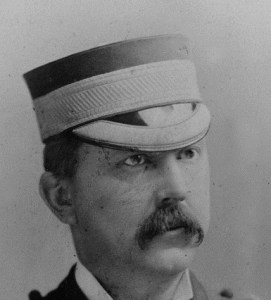
Sir William Owen Lanyon – AnonymousUnknown author, Public domain, via Wikimedia Commons

He became a Companion of the Order of the Bath and a Knight Commander of the Order of St Michael and St George. He married Florence Levy but she died in childbirth and the child was stillborn. He died of cancer of the jaw in New York.

Major William Owen Lanyon, the British Imperial Administrator of Griqualand West, is shown being devoured by the Cape Colony monster.

Caricature showing the bearded Sidney Godolphin Alexander Shippard (right) and R.W. Murray “Limner” (left) tripping up the Lieutenant Governor of Griqualand West, Major William Owen Lanyon. Image relates to the unsuccessful attempt by Major Lanyon to sue the newspaper editor Murray for libel, and Shippard’s support for the newspaper.

Public domain, via Wikimedia Commons

Map of South Africa

Charles Mortimer Lanyon 1813-1889

Charles was the son of John Jenkinson Lanyon and Catherine Anne Mortimer and was baptised at Eastbourne in 1813. He was articled to Jacob Owen of the Irish Board of Works in Dublin to learn engineering. He secretly married his daughter Elizabeth Helen Owen. He was appointed county surveyor for Kildare and then asked for a transfer to Antrim. He was responsible for many of the important buildings and infrastructure in Northern Ireland. He was elected Mayor of Belfast and Conservative MP for the city.

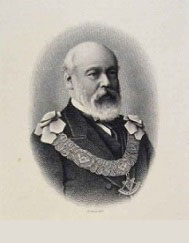
Sir Charles Lanyon


They had ten children:

  • Catherine Anne 1816-1872 married Sir Owen Randal Slacke – two children
  • John Mortimer 1839-1900 he was also an engineer and architect married Hannah Hyde – two children, he died in Tenerife
  • Charles 1840-1877 – unmarried
  • William Owen 1842-1887
  • Owen 1845-1845 died in infancy
  • Louis Mortimer 1846-1900 married Laura Phillips – three sons
  • Mary Owen 1848- married FW Hollams – three children
  • Herbert Owen 1850-1900 married Amelia Hind – three sons
  • Elizabeth Helen 1853-1936 married Henry James Cameron – two children
  • Florence Louisa 1856-1892 married Patrick Savage Young, she died at Valparaiso in Chile

Charles died at The Abbey, White Abbey, Antrim in 1889.

Sir Charles Lanyon

John Jenkinson Lanyon

Every Lanyon researcher who has found John Jenkinson Lanyon has been left scratching their heads and wondering where he fits into the Lanyon tree.

We know he was born abt. 1770 but there is no record of his baptism and no record of his parents’ names. Jane Veale Mitchell notes that he was raised by the Bulteel family of Devon but gives no more detail. He died in 1835 and left a will but no clue as to his family roots.

He did use a gold fob seal with the Madron arms which suggests that he is descended from that branch of the tree. Jane Veale Mitchell speculated that he was the son of Robert Lanyon and Martha Dyer; Robert was baptised in 1735 at Madron and married Martha Dyer at Plymouth, St Andrew in 1759. They had two documented daughters: Sarah and Mary Jensen. Could this be where John Jenkinson fits on the tree?

There is also a Hugh Lanyon who married Sarah Row at Plymouth, Charles the Martyr in 1747 and had children at Plymouth Dock. He’s mentioned in his father’s will (Francis Lanyon 1680-1757) could Hugh be a father or grandfather of John Jenkinson?

It’s possible that he was illegitimate, his mother packed off to Devon to give birth in secret. If so the stain of illegitimacy didn’t prevent him making a good marriage.

We may never know for sure who his father was but it seems certain that he was connected to the Madron branch of the family somehow.

He married Catherine Anne Mortimer (1773-1840) at St Clement Danes, London on 22nd May 1806. He was a purser in the Royal Navy. They had three sons:

  • John Hamilton Mortimer 1807-1841 he went to Australia and founded Lanyon Homestead near Canberra.
  • William 1810-1831 died Guangzhou, China, drowned alongside eight others when their boat sank – bachelor. His memorial reads: Sacred to the memory of William Lanyon second son of John Jenkinson and Catherine Ann Lanyon of this parish. 4th Officer of the Honble. Co. Ship Hythe, who was drowned with Eight of the Crew of the said ship by the upsetting of her boat in the river of Canton in China on the 18th day of November 1831 in the 21st year of his age. An affectionate and dutiful son and beloved and respected by all who knew him.
  • Charles Mortimer 1813-1889
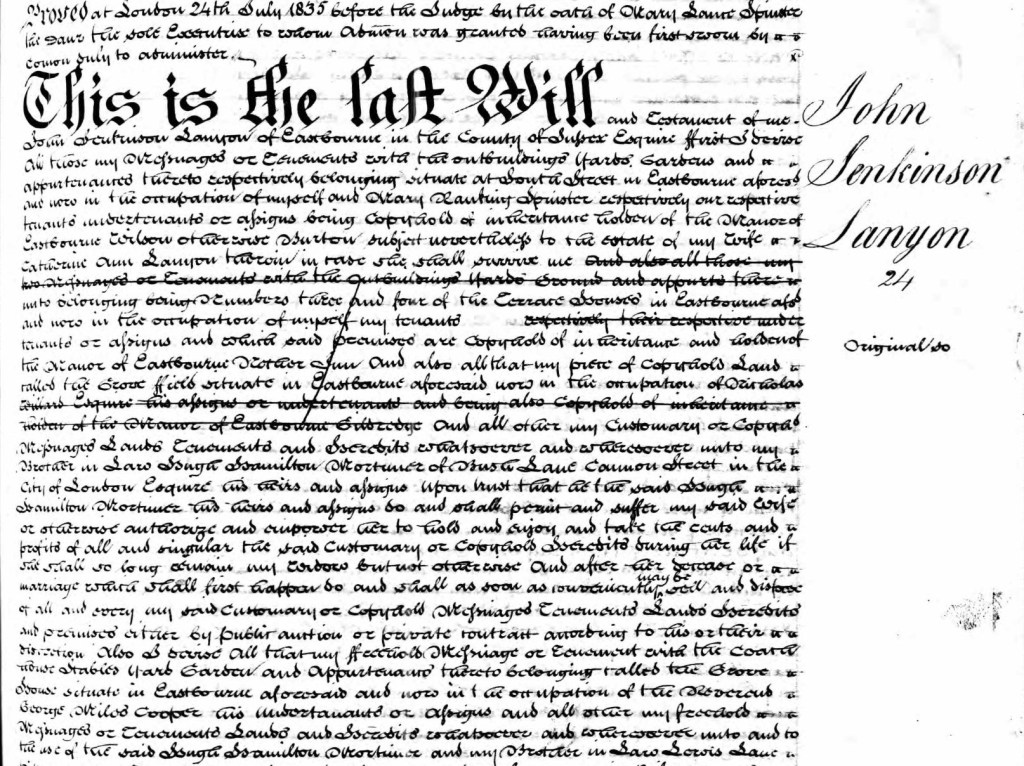
Will of John Jenkinson Lanyon – Source NA PROB 11; Piece: 1849

The Scandalous Vicar of Sancreed

In 17th century Sancreed one parish priest, the Rev. John Smyth, caused considerable furore. In 1639 two of his parishioners , George Orchard and John Lanyon, both of the local gentry, brought a case against him in the Consistory Court. The Archdeacon of Cornwall appointed the incumbents of Phillack, Mullion, St Allen, Ludgvan, Madron and St Just in Penwith to hear evidence in Sancreed church.

Phil Williams / Sancreed church

The first accusations levelled against Smyth was that he had torn down a pew which his predecessor, the Rev. John Dodd, had put up in the chancel for the use of his wife and family. The interrogatory stated that the pew ‘was now in the buttery or dairy of your house, to the great grief and trouble of the minds of the parishioners there to see things dedicated to holy uses to be so profanely used or rather abused.’ Dodd’s wife, Avice, said that her husband had erected the pew about ten years before, ‘but, when Smyth came he refused to let her occupy it and nailed it up, but some schoolboys pulled it open, whereupon Mr Smyth demolished the whole.’

Smyth had been vicar of Sancreed for some eighteen months and had been the instrument whereby Dodd had been removed, having brought a law-suit against him on the grounds of simony. (Simony is the act of selling church offices and roles or sacred things. It is named after Simon Magus, who is described in the Acts of the Apostles as having offered two disciples of Jesus payment in exchange for their empowering him to impart the power of the Holy Spirit to anyone on whom he would place his hands.)

Simon Magus, Paul & Nero – Sibeaster, Public domain, via Wikimedia Commons

The second accusation against Smyth was that he had built a large new pew in the passage way between the body of the church and the rood loft, thus obstructing the free transit of the parishioners from north to south. Thomas Gibbes of Sancreed, aged 66, remembered ‘all his time the alley between the rood loft and the pews in the body of the church and also many parishioners buried in the alley. The minister’s pew was on the east side of the rood loft looking westward toward the people until of late Mr Smyth built a new seat or pew in the alley which is thereby stopped up.’

The interior of Sancreed church today

More serious was the charge that Smyth demolished an altar which stood in the chancel, whereon the parishioners were accustomed to place their tithes ‘and to write such things as concern their parish business and whereon sometimes the consecrated bread and wine was set at the time of administering the sacrament of the Lord’s Supper’. During divine service Smyth thought fit to remark on his demolition of this altar, saying that he never saw any sheep or oxen to be sacrificed upon that altar but have been in the company of asses, men and boys, two or three at a time.’ Thomas Treuren deposed that Smyth removed the altar stone because it was an annoyance to him in the administration of the Holy Communion. His evidence was, however, blighted because he owed money to John Lanyon, the moneylender, one of the two parishioners who brought the suit against their vicar.

All these may well have been complaints brought against a priest who, in a conservative-minded parish, moved too quickly in introducing innovations. There, may, too, have been some local sympathy with the ousted predecessor. The remaining charges showed that the situation in the parish was even more disturbed. He was stated by Orchard and Lanyon to be ‘a great vexer, molster (sic) and troubler of the parishioners with unnecessary law-suits and that you now have or lately had 40, 30 or at least 20 law-suits in the ecclesiastical court against men of the parish and have said that you will so vex your parishioners with law-suits that they shall not be able to help one another and that you would make them all appear at London one after another and that you would be a little devil amongst them.’

Smyth had threatened to sue them all for the tithe of turves, and when told by Hugh Levelis that many leaseholders would not be allowed by the terms of their leases to cut turves, replied then I will sue them because they shall forfeit their leases to their landlords.’

A further charge was that ‘in the time of divine service you have divers times departed out of the church of Sancreed in your surplice and worn your surplice into an ale-house’. One of the witnesses agreed that this was so, but only once or twice at prayer time ‘to reproach such as went to drink tobacco or ale (sic) and so came in again.’

Smyth was also said to have neglected to take children in his arms when baptising them ‘to the great grief of the parents and contrary to the rites and ceremonies of the Church of England’. All these accusation might be considered, in a certain sense, of a domestic nature. The last was designed to embroil Smyth even further – ‘that you did not read the King’s proclamation concerning the late treacherous seditions in the North and Scotland but caused your clerk to read it.’

The result of this action in the Consistory Court is unfortunately not known, but Smyth remained Vicar of Sancreed and 29 years later a similar series of charges was brought against him.

Part 2

The Rev John Smyth certainly caused a great deal of talk among his parishioners in the 1660s and his inability to conform with the usual standards of behaviours brought him considerable notoriety. In 1668, when he appeared for the second time before the Consistory Court, Mary Lanyon, widow, was the prosecutrix. Of her husband (John), soon after the burial service, Smyth was reported to have said ‘the old hog is dead and thrown into a pit. He took a field from one, a lease from another, a cow from a third and a horse from a fourth and has left his estates to the lioness and her whelps to make her jointure great.’ There were many other accusations levelled against the vicar. John Lanyon (son of Mary) gave corroborative evidence saying that in 1665, when William Binder, one of the church wardens had asked Smyth how the presentments should be made at the Visitation, the vicar had used abusive language. Lanyon reproved him and was met with the rejoinder ‘Pish, thou mayest make what presentments thou wilt but when thou hast paid the fees of the Visitation thou mayest take thy presentments and wipe thy breech with them.’ A certain Humphrey Nicholas seems to have been a particular object of his dislike. Elizabeth Tonkyns, who had been in Smyth’s service for twelve months, deposed that he was very litigious and had threatened to sue Nicholas for treading off the church path which led through the glebe. At Easter 1666, Nicholas was unwell and sent his offering to the vicar, who declined to receive it, and on the Sunday Nicholas ‘went to the Lord’s table with the rest of the parishioners and kneeled down, hoping to partake of the blessed sacrament – but Mr Smyth administered the same to all the rest of the people there but refused to administer the same to this deponent in the presence of all the people there present to the deponent’s very great grief.’

Smyth was said to be an extortioner, forcing a parishioner topay 2s 6d yearly for a cow and a calf pasturing in Sancreed whereas by parish custom he ought only to pay 3d a year.’ He was said to be a frequent visitor at ale-houses – in Penzance one evening he ‘drank to the height of mirth and lay there in the same house all that night’. He was said to scorn civil authority and in one sermon to have asked ‘what are these petty Justices and petty commissioners and dunghill officers to me when I am in my place?’

There was a suggestion that Smyth encouraged the flouting of authority. On one occasion he had taken his text from Proverbs, ‘Stolen waters are sweet’, and taking occasion to distinguish what was stolen waters, declared that extortion and wronging the poor was stolen waters – saying ‘if this be not stolen waters I wonder to the devil what is stolen waters? And in the same sermon declared that it was lawful and that there was very good reason why the poor people should steal, saying ‘and from whom should they steal? Why from such rich people as are so uncharitable that they will not give to the poor.’ When the hope was expressed that he would not preach such a sermon again, he declared that it is better to steal than to starve.’

Proverbs 9-17

Many of these accusations were, no doubt, somewhat frivolous, eccentricities which had been remembered, sometimes out of context, in order to make the list of charges as formidable as possible. One charge however, was most particular – the conversion of the parish almshouses. Edward Chergwyn deposed that ‘for the last three or four years Mr Smyth hath taken possession of the public almshouses of the parish of Sancreed which for forty years and more has been employed to the use of the ancient poor people of the parish’ and Reginald Madderne, the local tailor, said in his evidence, ‘he has converted the almshouses adjoining the churchyard into a house for his sheep.’ Richard Olivey went further: ‘Mr Smyth seized the almshouses, turned out some poor people and made it a sheep house, pulled off the roof and used the timber for his stable, Olivey completed the charges: ‘he is reputed to be of debauched life and conversation and addicted to lasciviousness and much given to obscene and wanton talking’. On his visits to the nearby church of Paul, ‘sometimes to preach, he puts his horse at the ale-house there and doth oftentimes go there himself when he goes to fetch his horse at his departure.’

John Olivey, who was constable of the parish in 1666 asserted that ‘he found Mr Smyth very backward in paying his rates and often would give this deponent ill words when he came to demand them.’ During the same year Olivey called on the vicar, armed with a warrant under the seals of the deputy lieutenants, warning the able-bodied men of the parish to appear before Colonel Godolphin ‘to bear arms imposed on the parishioners of Sancreed about the beginning of the late dangerous times of war between England and Holland.’ One of the parishioners, by name Ladner, was warned to carry the arms contributed by the vicar. Smyth told the constable ‘in a very passionate and rigorous manner’ that Ladner was not fit to serve the King, ‘neither shall he serve the King.’

What, one wonders, were the vicar’s replies to these accusations. Unfortunately they are not available, but it is not difficult to appreciate the difficulties of his position. Smyth was a vicar of an isolated country parish for over 30 years during a period of war and civil disturbance, when preferment was gained by those with soft tongues and easy ways. Smyth had neither. he quarrelled with the most influential of his parishioners and cracked bawdy jokes (in Cornish) with his serving – maids; he frequented taverns and abused the local magistrates. Little wonder then that this eccentric and somewhat earthy cleric fell foul of his ‘respectable’ parishioners.

This was part of an article written by H.L Douch curator of the Royal Institution of Cornwall for the ‘West Briton’ – Published Jul 30th & Aug 13th 1962

It is worth noting that John Lanyon (senior) was church warden at Sancreed.

From Cornwall OPC Database-

  • 17 Jan 1675 Mary Smyth, wife of John Smyth vicar, buried at Sancreed

Two possible entries for John’s burial:

  • 29 Apr 1681 John Smyth Vicar of Paule buryed at Sancreed in Woollen (Hoblyn’s Transcripts)
  • 19 Apr 1692 John Smyth (pencil note – vicar) buried at sancreed – (Hoblyn’s Transcripts)

It does seem beyond coincidence that both the vicar of Sancreed and Paul were both called John Smyth!

Heraldry

Following on from the post ‘What’s in a name?’ William Lamparter’s papers contained the following notes on heraldry and the Lanyon Arms.

The coat of arms over the door at Lanyon Gwinear

Gu. on waves of the sea. Az. A square castle in perspective with a tower at each corner or a falcon ppr. rising. Crest. On a mount vert. A castle with four towers or a falcon rising as above.

Coats of arms are composed of the shield, helmet, wreath, crest, mantle and motto.

The shield or escutcheon, the most important part of a knight’s defensive equipment is the object upon which the armorial devices or charges are displayed. The Lanyon shield is red with a castle and falcon as charges. Gules (red) alludes to blood and generally signifies that the bearers have shed blood in defence of their country.

A castle as a charge denotes power and safety. Castles were given as charges to those who had distinguished themselves in the taking of castles or other fortified places. They are considered honourable rewards.

The sea waves under the castle denote high fortune and dignity.

The falcon as a charge was given to those who were eager for plunder.

The gold as the principal metal in the ‘arms’ signifies generosity and elevation of mind.

Helmets are placed over arms, and show the rank of the persons to whom they belong. The closed helmet seen in profile is appropriated to esquires and gentlemen.

The wreath was composed of two rolls of twisted silk or leather – the colours consisting of the principal metal and the principal colour. The wreath encircled the helmet and supported the crest.

Crests were borne upon helmets to distinguish military leaders and knights engaged in battle. Thus many ancient families entitled to bear coat armour are without crests.

The mantle was attached to the helmet and hung down over the armour to protect it from weather.

The motto is a word or short sentence inserted in a scroll which is generally beneath the shield.

The Lanyon motto is:- Vive ut Vivas (Live, that you may live.)

Sir Charles Lanyon’s coat of arms with motto, hemet, crest, wreath and shield.

In the 1990s a new ‘shield’ was designed and created for David Lanyon by Dennis Endean Ivall from Truro.

New shield design
The design engraved

Seal of the signet ring of HHL held by WRL (1998)

Bill Lanyon kindly sent me this news clipping and a drawing of the coat of arms. The newspaper story was by ‘Veritas’ the nom de plume of Jane Veale Mitchell and I believe the drawing is also by her.